

Jersey City police punch
Settlement for a man punched by a Jersey City police officer while walking his dog. Aymen was co-counsel.
Jersey City, New Jersey · 2022 · PatchThe Aboushi Law Firm · A private law firm, not affiliated with any government agency.
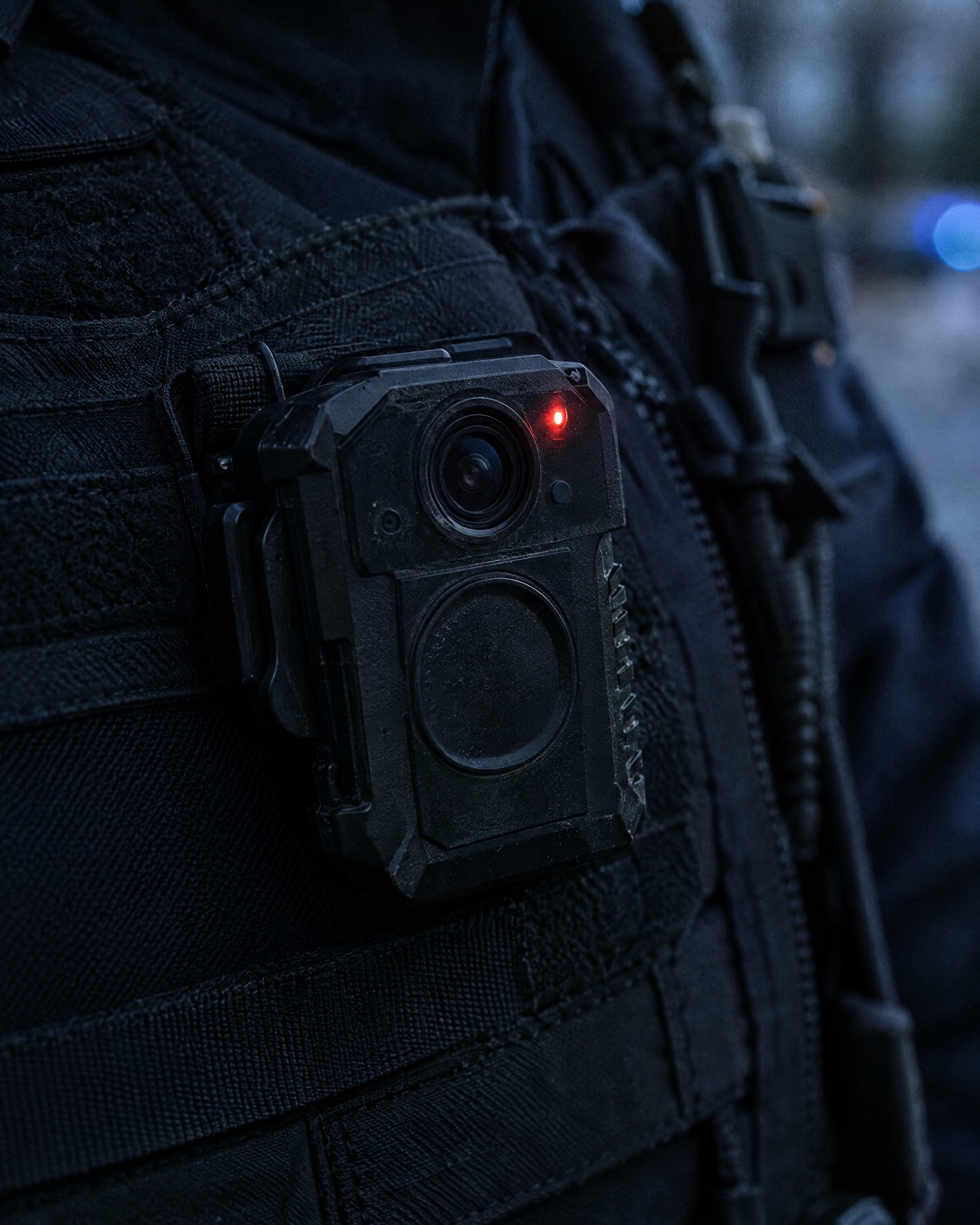
Police may use only the force that is objectively reasonable under all the circumstances. If an officer in New Jersey struck, tased, shot, or restrained you beyond that, you may have claims under 42 U.S.C. § 1983 and the New Jersey Civil Rights Act. Get medical care, preserve evidence, and track the 90-day notice deadline now.
 The next 72 hours
Get medical treatment and keep every record, bill, and discharge note.
Photograph your injuries every day until they heal.
Write down names, badge numbers, car numbers, and witnesses while memory is fresh.
Save any video, and ask nearby homes and businesses to keep their footage.
Do not describe the incident to police or on social media before you speak with a lawyer.
Courts ask whether the force was objectively reasonable from the view of a reasonable officer on the scene. Under Graham v. Connor, they weigh how serious the suspected offense was, whether the person posed an immediate threat, and whether the person was actively resisting or trying to flee. In 2025, in Barnes v. Felix, the Supreme Court held that courts must look at the totality of the circumstances, including the events leading up to the moment force was used. Common examples include blows to a person already restrained, a taser used on someone who is complying, chokeholds, dog bites, and shootings. Force can be excessive even when the arrest itself was lawful. People held in jails and prisons are protected as well, under related constitutional standards.
You must show that the officer acted under color of law, used force against you, and that the force was unreasonable under the circumstances. You must also show harm, which can be physical, emotional, or financial. Individual officers often raise qualified immunity, a defense that applies when the right was not clearly established at the time. A town or county is liable under § 1983 only when its own policy, custom, or failure to train or supervise caused the violation. Evidence usually includes body-worn camera footage, use-of-force reports, dispatch records, medical records, and witness accounts. The test looks at what a reasonable officer would have done, whatever the officer's intent.
A successful claim can recover compensation for medical expenses, lost income, pain, and emotional harm, including future care where injuries are lasting. Punitive damages may be available against individual officers in some cases. Federal law and the New Jersey Civil Rights Act both allow a court to order the defendants to pay a prevailing plaintiff's reasonable attorney's fees and costs. The value of any case depends on the injuries, the evidence, and the defenses raised. A pending or resolved criminal charge arising from the same incident can also affect which claims are available, so the civil and criminal cases need to be planned together.
Excessive force cases are filed in the U.S. District Court for the District of New Jersey or in the Superior Court. Constitutional claims under § 1983 and the New Jersey Civil Rights Act do not require a Tort Claims Act notice. State tort claims such as assault and battery against a public entity or employee do. That notice must be filed within 90 days, and suit on those claims may not be filed until six months after the notice is received. After filing, the parties exchange evidence, take depositions, and often go to mediation. Separately, New Jersey law enforcement agencies must accept internal affairs complaints from any person, including anonymous ones.
Settlement for a man punched by a Jersey City police officer while walking his dog. Aymen was co-counsel.
Jersey City, New Jersey · 2022 · PatchJury verdict for a severely autistic teenager beaten by police officers during the Hurricane Sandy evacuation, plus $20,000 in punitive damages. The Appellate Division unanimously affirmed the judgment in 2019.
Manhattan, New York · 2016 · New York Daily NewsOften, yes. Force can be excessive even when the arrest was lawful. A conviction can limit some claims, so the firm reviews the criminal case before filing anything.
It is a defense that shields officers from damages unless they violated a clearly established right. It does not apply to towns and counties, and it does not end every case.
You may. Agencies must accept complaints from anyone. What you say becomes part of the record, so speak with a lawyer first, especially if charges are pending.
General information, not legal advice. The firm confirms how the law applies to you.
Arrested or held without probable cause.
Charged without probable cause, and the case ended in your favor.
Punished for speaking, protesting, or recording police.
Compensation and accountability after an innocent person is imprisoned.
This is an automated tool, not a lawyer. It answers from the firm's own pages and can't give legal advice. Ask about your rights, your deadline, or how the firm works, in English or Español.
