

- Home
- Religious Land Use (RLUIPA)
- Religion in Prison
Religion in Prison
RLUIPA protects the religious exercise of people in state prisons and county jails that receive federal funds. Officials may not substantially burden religious practice unless they prove a compelling interest and use the least restrictive means. File a written grievance now, because the prison's internal process must usually be completed before any lawsuit.
 The next 72 hours
What to do now.
- 1
File a written grievance describing the practice and the denial.
- 2
Appeal every denial through each level the facility allows.
- 3
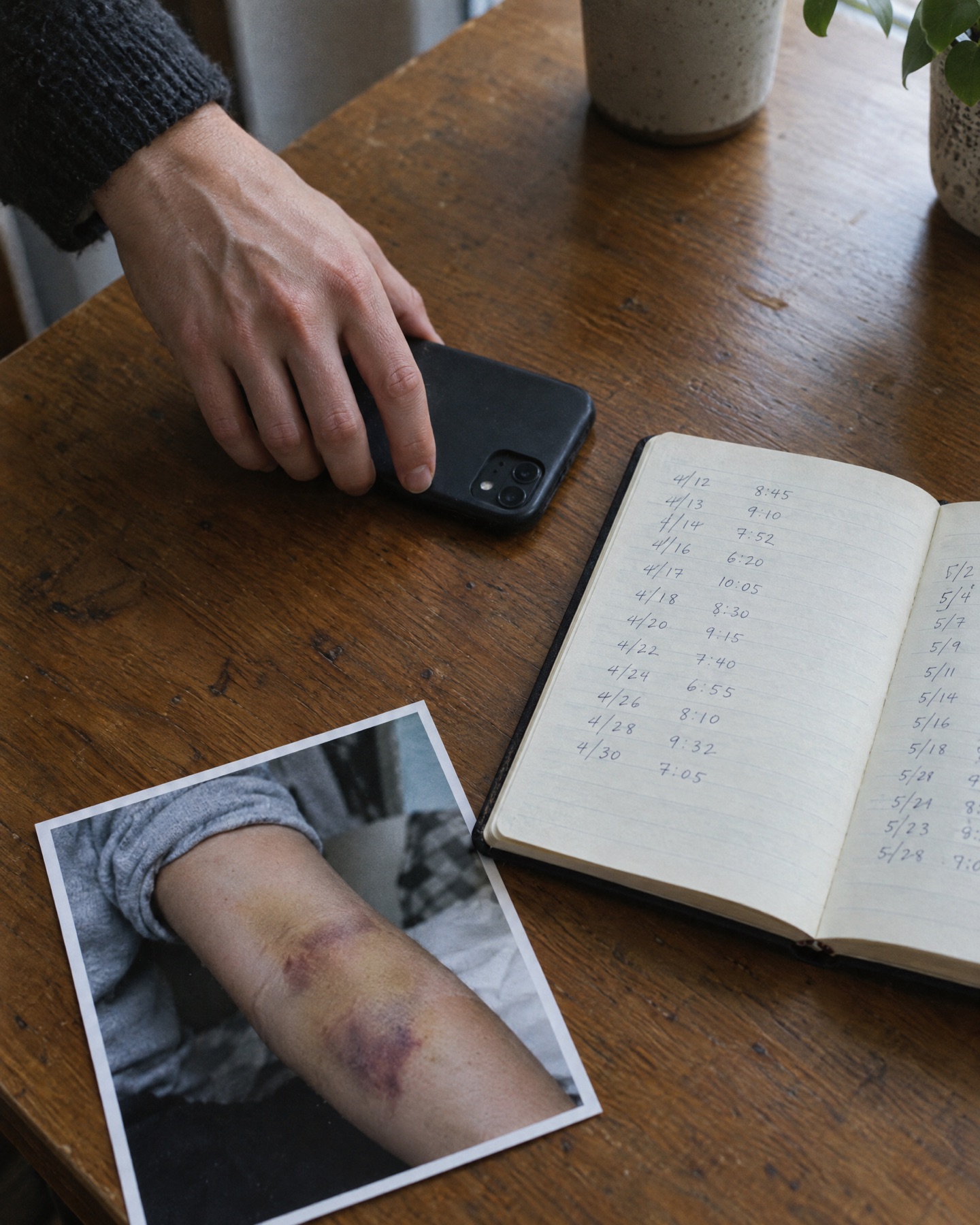
Keep copies of every form, response, and date.
- 4
Write down the names of staff involved and any witnesses.
What counts
42 U.S.C. § 2000cc-1 protects people residing in or confined to institutions covered by federal law, including prisons and jails, when the facility receives federal funding or the burden affects commerce. Common issues include access to religious diets, prayer times and space, congregational services, grooming practices such as beards or uncut hair, head coverings, religious texts and items, and fasting schedules. In Holt v. Hobbs, the Supreme Court held that a prison's ban on a half-inch beard violated RLUIPA. People in federal custody are protected by a separate law, the Religious Freedom Restoration Act.
What you must prove
You must show that your religious belief is sincere and that the policy or action substantially burdens your religious exercise. The practice does not need to be required by your faith. The burden then shifts to the facility to prove that the restriction furthers a compelling interest, such as security, and that it is the least restrictive means of doing so. Courts look closely at whether other prisons allow the same practice safely. Sincerity is judged by the individual's own practice, and a belief can be sincere even if others of the same faith practice differently. A written grievance that explains the practice and its religious basis creates the first record.
What relief is available
RLUIPA relief in prison cases usually takes the form of a court order requiring the facility to allow the practice or change its policy. In Landor v. Louisiana Department of Corrections, decided in June 2026, the Supreme Court held that RLUIPA does not allow money damages against state prison officials in their personal capacities. Constitutional claims under § 1983 may offer other remedies in some cases. A prevailing party may recover reasonable attorney's fees under 42 U.S.C. § 1988. Because court orders are the main remedy, a case can also benefit others of the same faith in the facility.
How the process works in New Jersey
Under the Prison Litigation Reform Act, 42 U.S.C. § 1997e(a), a prisoner must exhaust available administrative remedies before suing over prison conditions. In practice, that means following the New Jersey Department of Corrections or county jail grievance process through every appeal, on time. The same law limits claims for emotional injury without a prior physical injury. Once remedies are exhausted, the case is usually filed in the District of New Jersey. Family members can help by keeping copies of grievances and responses. Grievance deadlines are set by the facility and can be measured in days, so file promptly.
Questions
Does my religion have to require the practice?
No. The belief must be sincere, and the practice must be religious. It need not be mandatory in your faith.
Can I get money damages?
Generally not under RLUIPA against state officials. Relief usually means changing the policy. Other claims may offer different remedies.
What if my grievance was ignored?
Keep copies and follow every appeal step anyway. An unavailable process can matter, but it must be documented.
Sources
- 42 U.S.C. § 2000cc-1, institutionalized persons
- Holt v. Hobbs, 574 U.S. 352 (2015)
- Landor v. Louisiana Dep't of Corrections (2026)
- 42 U.S.C. § 1997e, prisoner suits
General information, not legal advice. The firm confirms how the law applies to you.
