


- Home
- Whistleblower
- Retaliation for Reporting
Retaliation for Reporting
Several laws protect New Jersey workers from retaliation for reporting wrongdoing, including CEPA, the False Claims Act, and federal safety and securities laws. Each has its own deadline, and some federal complaints must be filed within 30 days. Write down the date of the retaliation today.
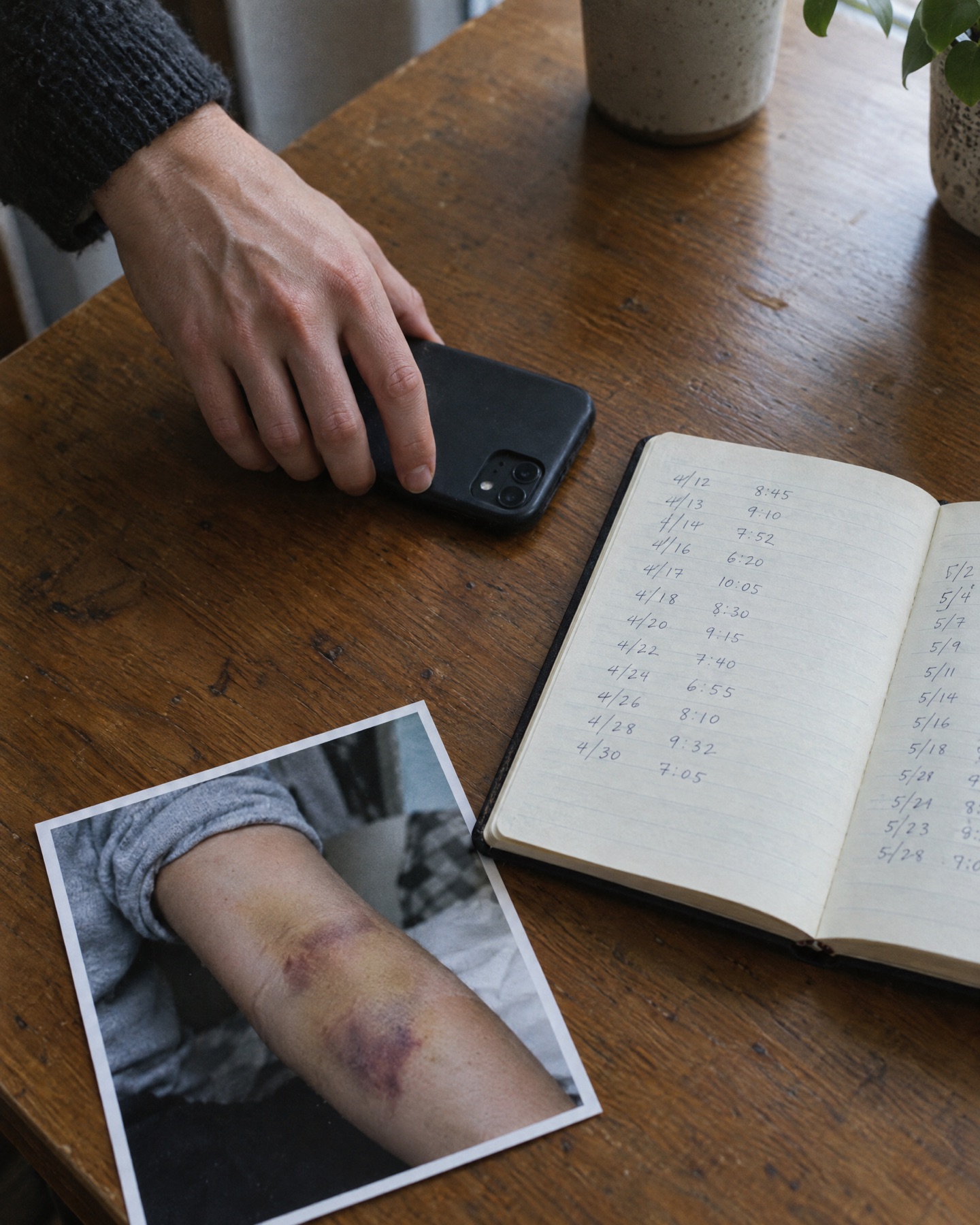 The next 72 hours
What to do now.
- 1
Write down the date of every retaliatory act, starting with the most recent.
- 2
Identify what you reported and which agency or law it involves.
- 3
Contact a lawyer this week. Some federal deadlines are 30 days.
- 4
Keep copies of your own reports and any discipline you received.
What counts
Retaliation includes firing, demotion, suspension, reduced hours, threats, blacklisting, and other actions meant to punish a report. The report can be internal or to a government agency, depending on the law. CEPA protects reports about illegal, fraudulent, or dangerous conduct generally. The False Claims Act, 31 U.S.C. § 3730(h), protects employees, contractors, and agents who act to stop fraud on the government. Federal laws enforced by OSHA protect reports about workplace safety, environmental hazards, securities fraud, transportation safety, and more. Most of these laws protect reports made in good faith and with a reasonable basis, even if no violation is later proven.
What you must prove
The structure is similar across these laws. You must show protected activity, the employer's knowledge of it, an adverse action, and a causal connection between them. The details differ. Some federal statutes use a contributing factor standard that can be easier for employees to meet. CEPA requires a reasonable belief that the reported conduct was wrongful. Under the False Claims Act, the protected conduct must relate to efforts to stop a violation or to support a qui tam case. Documents that show when decision makers learned of your report are often the most important evidence. Keep your own records of the report and the reaction to it.
What relief is available
Under 31 U.S.C. § 3730(h), a prevailing employee is entitled to reinstatement with the same seniority, two times back pay with interest, and special damages including litigation costs and reasonable attorney's fees. CEPA provides reinstatement, lost wages, attorney's fees, and in appropriate cases punitive damages. Federal statutes enforced through OSHA provide their own remedies, which often include reinstatement and back pay. The right combination depends on what you reported and to whom. Some laws also allow compensatory damages for emotional harm. The remedies available through an agency process can differ from those in court, which is one reason to choose the forum carefully.
How the process works in New Jersey
The deadlines vary widely. OSHA complaints under Section 11(c) of the Occupational Safety and Health Act and several environmental laws must be filed within 30 days; Sarbanes-Oxley complaints within 180 days. False Claims Act retaliation claims must be filed within three years. CEPA claims must be filed in Superior Court within one year. Because filing under CEPA can waive other claims based on the same conduct, and because some federal claims must start with an agency, the order of filings matters. The firm maps every deadline before filing anything. Missing a short federal deadline can end that claim even if others remain.
Questions
Which law protects me?
It depends on what you reported. Many reports fit more than one law, each with its own deadline.
Can I file an OSHA complaint anonymously?
No. OSHA does not accept anonymous whistleblower retaliation complaints.
Can I bring more than one claim?
Sometimes. Some combinations are restricted, so choose with care before you file.
Sources
- OSHA: how to file a whistleblower complaint
- 31 U.S.C. § 3730, qui tam and retaliation
- NJ Model Jury Charge 2.32, CEPA
General information, not legal advice. The firm confirms how the law applies to you.
More in Whistleblower
Private-Sector Employees (CEPA)
Reporting or refusing illegal conduct at a private company.
Public Employees
Government workers who report misconduct or speak out.
Government Fraud (False Claims Act)
Exposing fraud on federal or New Jersey taxpayers.
SEC Whistleblower
Reporting securities fraud, with awards and protection from retaliation.
