


Plain answers, with sources.
Written for the moment you need them. General information, not legal advice.
Police and civil rights
The 90-day notice of claim in New Jersey
Before you can sue a New Jersey town, county, or state agency for most injuries, you must file a written notice within 90 days. Missing it can end a claim before it starts.
Read the guide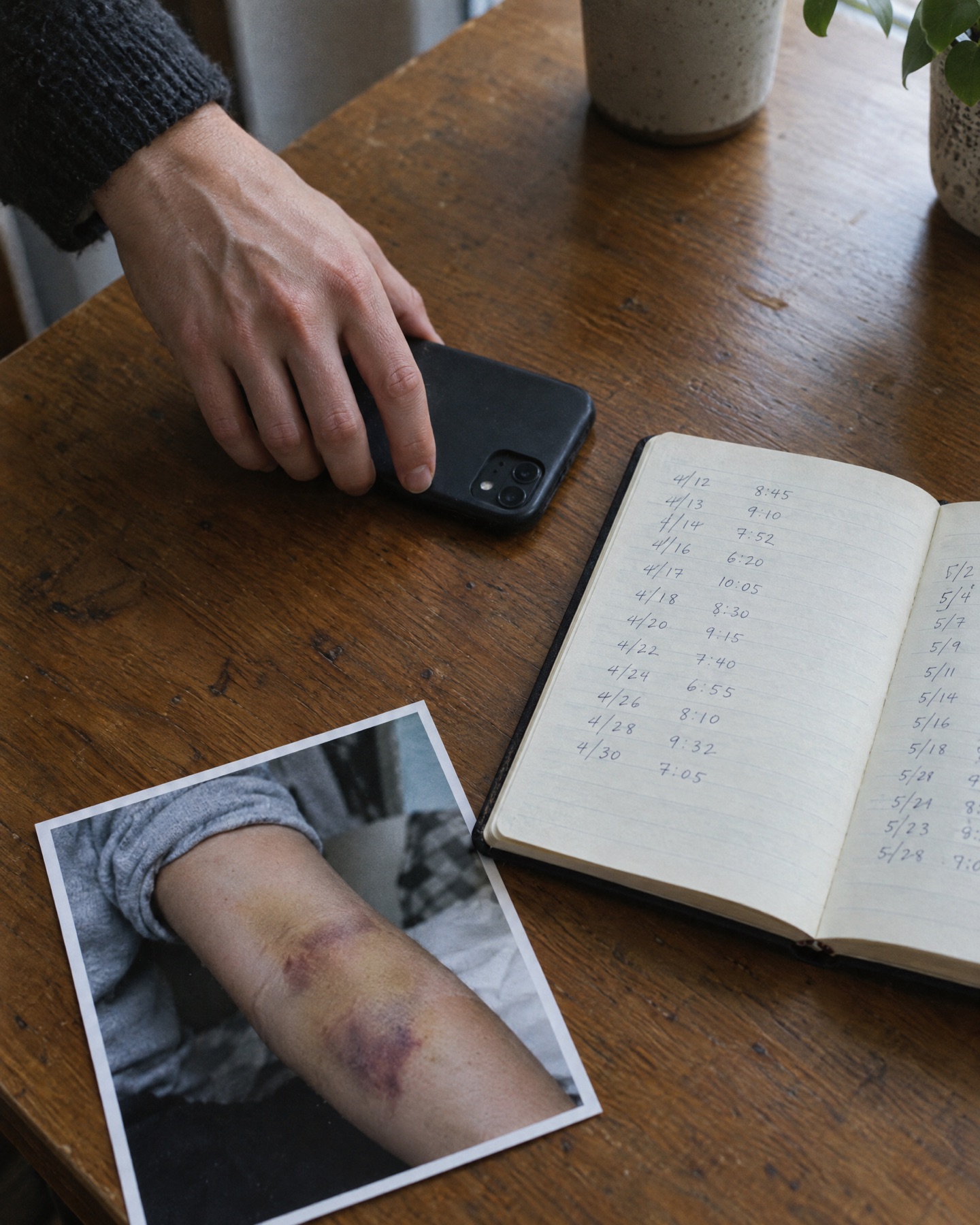
What to do after police use force on you
The days after a use of force decide what evidence survives. These steps protect your health, your criminal case, and any civil claim.
Read the guide
Your rights when recording police in New Jersey
You have a First Amendment right to record police doing their jobs in public in New Jersey. Here is what that right covers and where its limits are.
Read the guide
Excessive force: what the law allows police to do
Police may use only the force that is objectively reasonable in light of everything that happened. Force beyond that is a constitutional violation you can sue over, with attorney's fees.
Read the guide
Injured in a police chase: who can sue
New Jersey sharply limits when police may chase, but the law also protects officers from most suits. These cases turn on whether officers knowingly broke the pursuit rules.
Read the guide
Wrongful arrest and false imprisonment
An arrest without probable cause can support a civil rights claim in New Jersey. Learn what counts, what to save, and why your deadline may start sooner than you think.
Read the guide
Malicious prosecution after charges are dropped
If you were charged without probable cause and the case ended without a conviction, you may have a malicious prosecution claim. Your deadline runs from the day the case ended.
Read the guide
Illegal searches of your home, car or phone
Police usually need a warrant to search your home or phone, and New Jersey limits car searches more than federal law does. Learn the rules and what to do after a search.
Read the guide
Injury, death or medical neglect in a county jail
If you or a family member was hurt, denied medical care, or died in a New Jersey county jail, strict grievance rules and short deadlines apply. Here is what to do first.
Read the guide
Protest permits and arrests at protests
You have a right to protest in public in New Jersey, within reasonable rules. Learn when a permit applies, what police may do, and what to do after an arrest.
Read the guideEmployment

Filing a discrimination complaint: DCR vs. EEOC vs. court
New Jersey workers have three main places to bring a discrimination claim. Each has a different deadline, process, and set of tradeoffs.
Read the guide
Pregnancy and breastfeeding at work
New Jersey law requires your employer to accommodate pregnancy, recovery from childbirth and breastfeeding. Here is what you can ask for, how to ask, and the deadlines that apply.
Read the guide
Disability accommodations at work
New Jersey law protects more conditions than federal law and requires your employer to work with you on a reasonable accommodation. Here is how to ask, what to keep, and your deadlines.
Read the guideBackground checks that cost you a job
If a background check cost you a job or an offer, federal and New Jersey law may give you rights. Learn the notices you are owed, how to fix errors, and your deadlines.
Read the guide
Unpaid wages and overtime: the 200% penalty
New Jersey lets you recover unpaid wages plus up to 200% more as liquidated damages, with six years to act. Here is how the law works and how to file.
Read the guide
Family and medical leave (FMLA and NJFLA)
Federal and New Jersey law give many workers up to 12 weeks of job-protected leave. Learn who qualifies, how the two laws differ, and what to do if your employer says no.
Read the guide
Military service members at work (USERRA)
Federal law protects your civilian job when you serve in the military, and it has no deadline to sue. Here is what USERRA requires and how New Jersey law adds protection.
Read the guideWhistleblowers

Reporting wrongdoing at work: how CEPA protects you
New Jersey's Conscientious Employee Protection Act protects workers who report or refuse to take part in illegal conduct. The deadline to sue is one year.
Read the guide
SEC whistleblower awards and protections
People who report securities fraud to the SEC can receive 10% to 30% of sanctions over $1 million, and federal law protects them from retaliation.
Read the guide
Reporting fraud on the government (False Claims Act)
If a company or person is cheating federal or New Jersey government programs, the False Claims Acts let you report it, share in any recovery, and stay protected at work.
Read the guideReligious liberty

When a town blocks your house of worship
Federal law limits how a New Jersey town may use zoning against a congregation. The record you build at the local board, and a 45-day deadline, often decide the outcome.
Read the guide
Practicing your faith in prison or jail
Federal law protects religious practice in New Jersey prisons and county jails. Learn what RLUIPA covers, how to use the grievance process, and what a court can order.
Read the guideSchools and disability

Special education disputes (IDEA)
If your child's school is not meeting special education needs, the IDEA and New Jersey rules give you the right to an evaluation, an IEP, mediation and a due process hearing.
Read the guide
Harassment and discrimination at school (Title IX, LAD)
If your child is harassed or treated unfairly at school because of sex, race, disability or another protected trait, federal law and New Jersey's LAD can hold the district responsible.
Read the guide