

Garden State Islamic Center v. City of Vineland
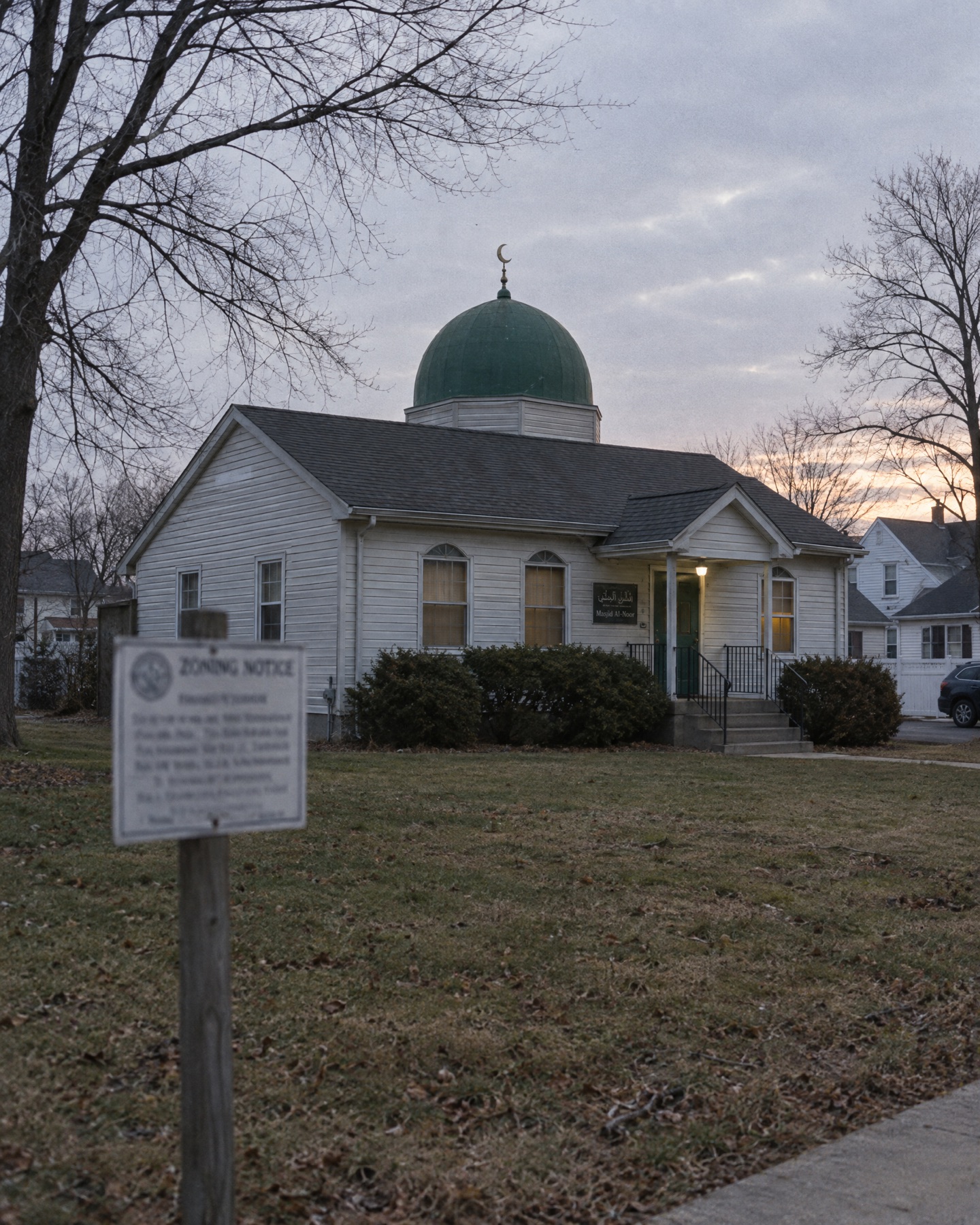
Settlement for a South Jersey mosque denied use of its own building. The city also issued the certificate of occupancy.
U.S. District Court, District of New Jersey · 2020 · Philadelphia InquirerThe Aboushi Law Firm · A private law firm, not affiliated with any government agency.
RLUIPA bars towns from using zoning or landmarking laws to substantially burden religious exercise without a compelling reason, to treat religious assemblies worse than secular ones, or to exclude them. If a New Jersey town denied your mosque, church, synagogue, or temple, you may have a claim. The deadline to challenge a local board decision in state court is 45 days from publication.
 The next 72 hours
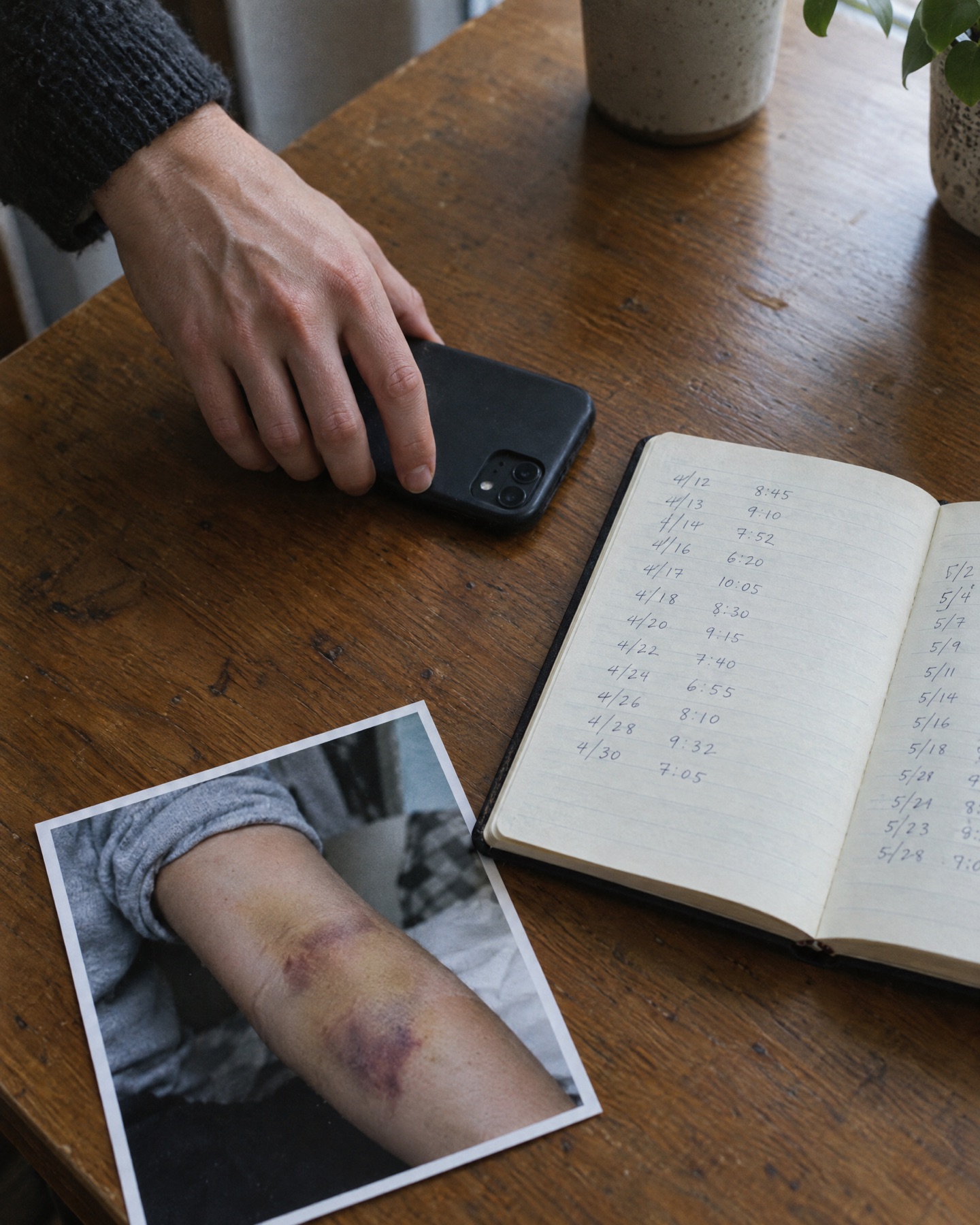
Get the written resolution and note the date notice of the decision was published.
Collect the application, plans, transcripts, and all correspondence with the town.
Record any statements by officials or residents about your faith or congregation.
List secular assembly uses the town has approved nearby.
RLUIPA's land use provisions, 42 U.S.C. § 2000cc, apply to zoning and landmarking laws and their application. They prohibit four things: imposing a substantial burden on religious exercise without a compelling interest pursued by the least restrictive means; treating a religious assembly or institution on less than equal terms with a nonreligious assembly; discriminating based on religion or denomination; and totally excluding or unreasonably limiting religious assemblies in a jurisdiction. The use, building, or conversion of property for religious exercise is itself religious exercise under the statute. The Department of Justice has resolved RLUIPA matters with New Jersey towns including Bernards and Toms River.
The proof depends on the claim. A substantial burden claim asks how seriously the decision interferes with the congregation's ability to worship, considering factors such as the need for space, the availability of alternatives, and how the town handled the application. The burden then shifts to the town to justify its decision. An equal terms claim compares the treatment of your use with secular assembly uses such as theaters, clubs, or meeting halls. A discrimination claim looks at statements, departures from normal procedure, and the history of the decision. The history of the application, including delays and shifting demands, can also show a burden.
Courts can order a town to approve an application, stop enforcing an unlawful ordinance, or revise its zoning code. Under 42 U.S.C. § 1988, a prevailing party in a RLUIPA case may recover reasonable attorney's fees. Whether money damages are available depends on the defendant and the claim, and that question is developing in the courts. Many cases resolve through consent decrees that change local rules for every faith. In the Bernards Township matter, the town's separate settlement with the Islamic Society of Basking Ridge included a payment of damages and attorney's fees. Outcomes depend on the record and the claims.
Land use applications go to a municipal planning board or zoning board of adjustment. The record built at those hearings often decides the case, so testimony and expert reports matter from the start. A challenge to the board's decision in state court, called an action in lieu of prerogative writs, generally must be filed within 45 days of publication of notice of the decision under Court Rule 4:69-6. A RLUIPA claim can be brought in federal or state court. Congregations may also report violations to the Department of Justice. Early legal involvement helps protect both paths.
Settlement for a South Jersey mosque denied use of its own building. The city also issued the certificate of occupancy.
U.S. District Court, District of New Jersey · 2020 · Philadelphia InquirerPossibly. A neutral rule can still impose a substantial burden, and the actual treatment of secular uses is often different on the record.
Yes, if possible. The record made at the hearing is what a court will review.
It can investigate and sue towns, and it accepts reports. Its involvement is not guaranteed, so private action may still be needed.
General information, not legal advice. The firm confirms how the law applies to you.
This is an automated tool, not a lawyer. It answers from the firm's own pages and can't give legal advice. Ask about your rights, your deadline, or how the firm works, in English or Español.