


Fair treatment at work is the law.
The New Jersey Law Against Discrimination covers employers of every size and lets you file directly in court. Federal law adds protections through the EEOC. The firm handles claims against private companies and public employers across the state.
Which kind of case is yours?
Discrimination, harassment, retaliation, and religious accommodation under New Jersey and federal law.
 01
Discrimination
Treated worse at work because of who you are.
180 days to file with the NJ Division on Civil Rights, 300 days to file an EEOC charge, and two years to sue under the LAD in Superior Court. 02
Harassment
A workplace made hostile because of a protected trait.
Two years to sue under the LAD; 180 days to file with the NJ Division on Civil Rights; 300 days for an EEOC charge.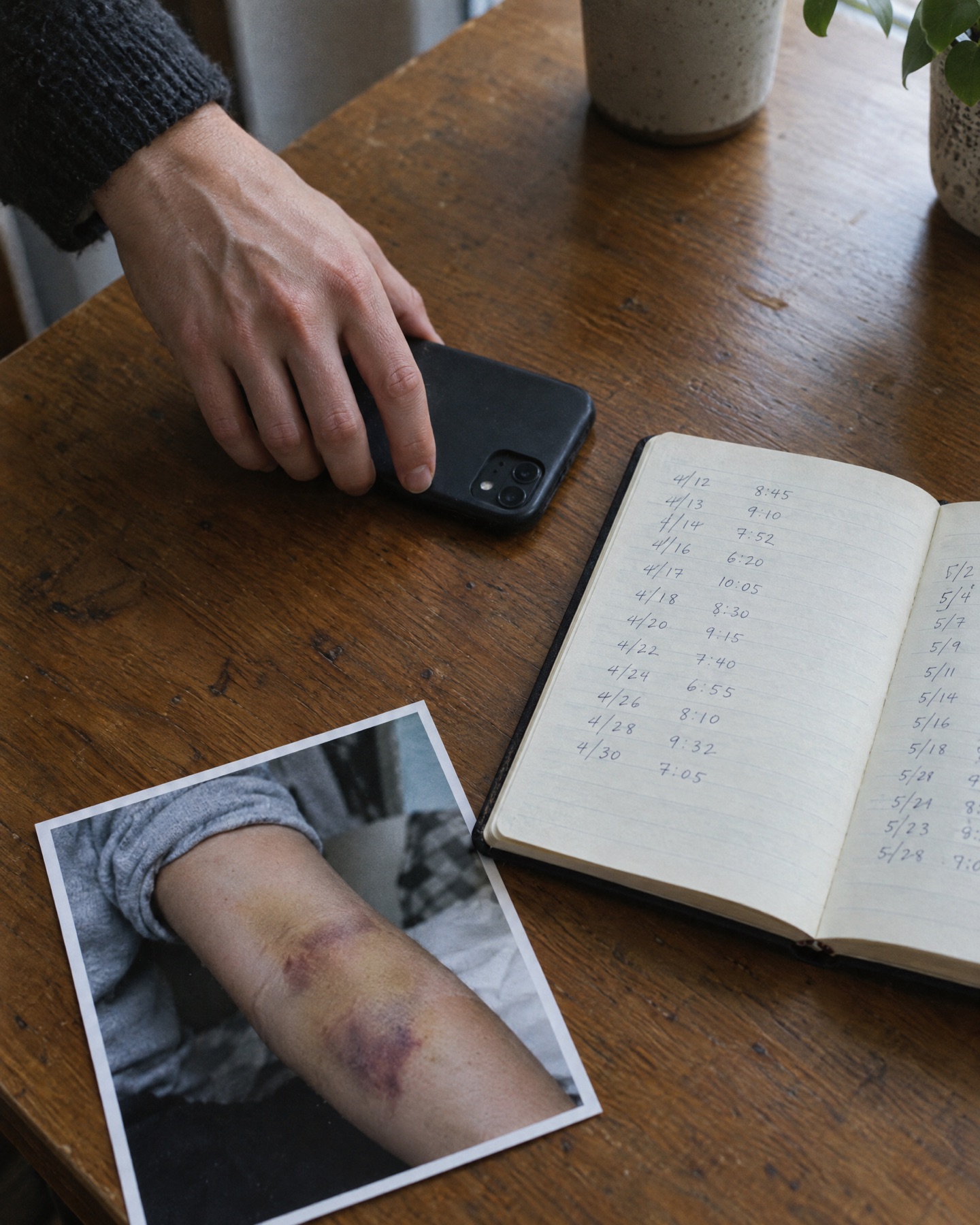 03
Retaliation
Punished for complaining about discrimination or harassment.
Two years under the LAD, 300 days for an EEOC charge, 180 days with the Division on Civil Rights, and one year if the claim falls under CEPA. 04
Religious Accommodation
Sabbath, prayer, dress, and grooming at work.
Two years to sue under the LAD, 180 days to file with the Division on Civil Rights, and 300 days for an EEOC charge. 05
Wrongful Termination
Fired for a reason the law does not allow.
Deadlines depend on the claim: one year under CEPA, two years under the LAD, 300 days for an EEOC charge, and often much shorter under a union contract.Tell us what happened. We'll find the fit.
Five minutes, by voice or typing, in English or Spanish. The firm reads every review.
Find your date before anything else.
New Jersey clocks start on the day it happens. Give us the date and we'll show every deadline that applies to a employment case.
What people ask us first.
Plain answers to the questions we hear most. Tap one, or ask the firm your own.
My employer has only a few employees. Am I covered?Discrimination
Under the New Jersey Law Against Discrimination, yes. Most federal discrimination laws require 15 or more employees.
Is one incident enough?Harassment
Sometimes. A single incident can be severe enough, especially from a supervisor. Most cases involve a pattern, so record everything.
My discrimination complaint was not proven. Can I still claim retaliation?Retaliation
Yes. A retaliation claim can succeed if your complaint was reasonable and made in good faith, even if it did not prove discrimination.
Can my employer make me work on my Sabbath?Religious Accommodation
Only if it shows that every reasonable accommodation would cause undue hardship. Shift swaps and schedule changes are common solutions.
New Jersey is at will. Can I really sue?Wrongful Termination
Yes, when the reason for the firing is unlawful. At-will employment does not permit discriminatory or retaliatory firings.
Know your rights.
Filing a discrimination complaint: DCR vs. EEOC vs. court
New Jersey workers have three main places to bring a discrimination claim. Each has a different deadline, process, and set of tradeoffs.
Read the guidePregnancy and breastfeeding at work
New Jersey law requires your employer to accommodate pregnancy, recovery from childbirth and breastfeeding. Here is what you can ask for, how to ask, and the deadlines that apply.
Read the guideDisability accommodations at work
New Jersey law protects more conditions than federal law and requires your employer to work with you on a reasonable accommodation. Here is how to ask, what to keep, and your deadlines.
Read the guideBackground checks that cost you a job
If a background check cost you a job or an offer, federal and New Jersey law may give you rights. Learn the notices you are owed, how to fix errors, and your deadlines.
Read the guideUnpaid wages and overtime: the 200% penalty
New Jersey lets you recover unpaid wages plus up to 200% more as liquidated damages, with six years to act. Here is how the law works and how to file.
Read the guideFamily and medical leave (FMLA and NJFLA)
Federal and New Jersey law give many workers up to 12 weeks of job-protected leave. Learn who qualifies, how the two laws differ, and what to do if your employer says no.
Read the guideMilitary service members at work (USERRA)
Federal law protects your civilian job when you serve in the military, and it has no deadline to sue. Here is what USERRA requires and how New Jersey law adds protection.
Read the guide