

Age discrimination, New York Hilton
Jury verdict for a 64-year-old former hotel employee on his age discrimination claim.
Manhattan, New York · 2015 · New York Daily NewsThe Aboushi Law Firm · A private law firm, not affiliated with any government agency.

The New Jersey Law Against Discrimination forbids employers from firing, demoting, refusing to hire, or paying you less because of a protected trait. It covers employers of every size in New Jersey. You have 180 days to file with the Division on Civil Rights, 300 days with the EEOC, or two years to sue in court.
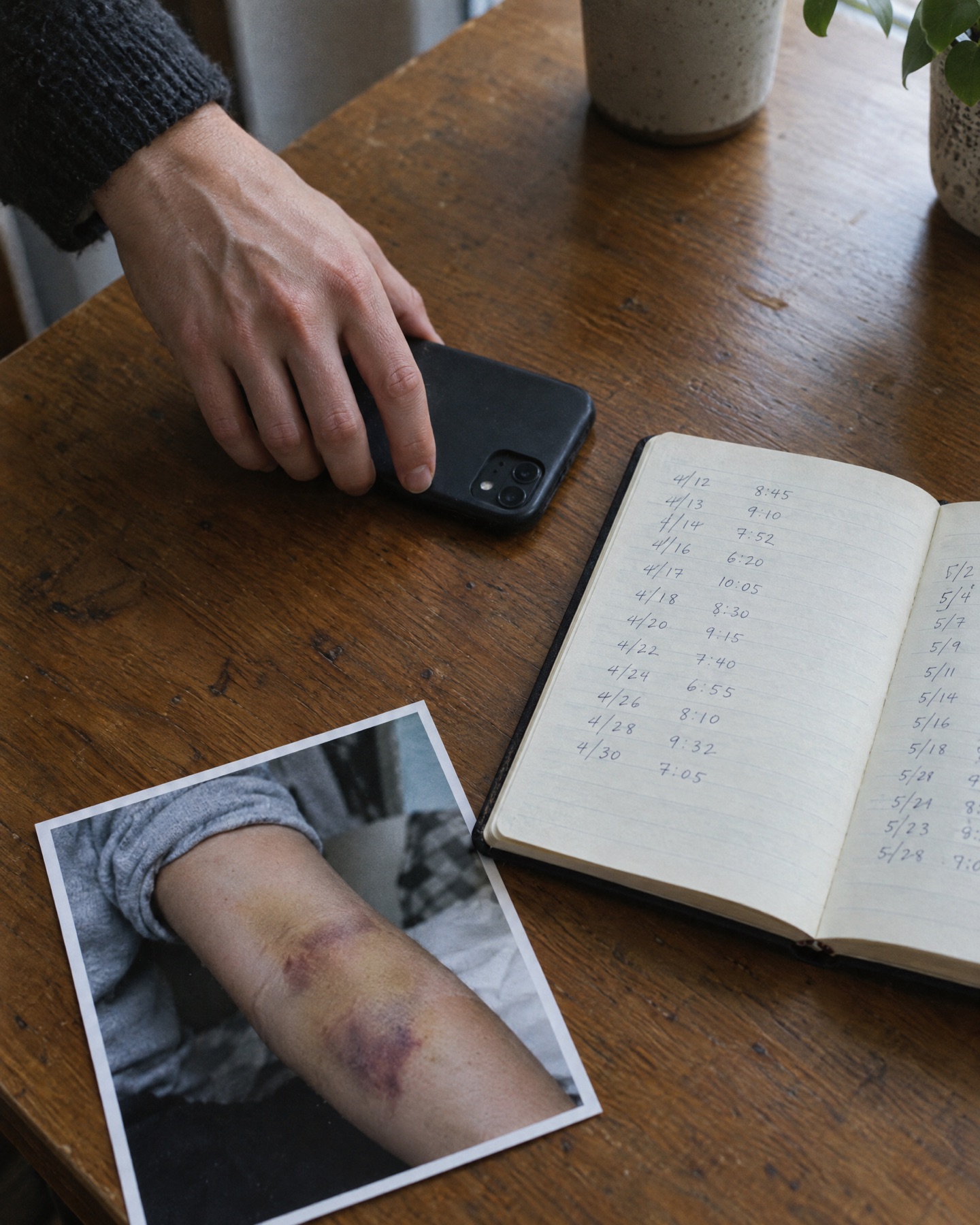 The next 72 hours
Write down each event with the date, who was involved, and who saw it.
Save texts, emails, reviews, and schedules to a personal device you own.
Keep your pay stubs, offer letter, and any handbook.
Do not sign a separation agreement before a lawyer reviews it.
The LAD protects against discrimination based on race, color, religion, creed, national origin, nationality, ancestry, sex, pregnancy, breastfeeding, sexual orientation, gender identity or expression, disability, marital or civil union status, military service, age, genetic information, and several other traits. It covers hiring, firing, pay, promotion, discipline, assignments, and the terms of employment. Unlike federal law, which generally covers employers with 15 or more employees, the LAD applies to employers regardless of size. Federal protections under Title VII, the ADA, and the Age Discrimination in Employment Act can run alongside the state claim.
You must show that a protected trait was a reason for the adverse decision. Direct evidence, such as a biased remark tied to the decision, is rare. Most cases rely on circumstantial evidence: similar coworkers treated better, shifting explanations, a sudden change after you disclosed a pregnancy or disability, or statistics. Once you make an initial showing, the employer must give a legitimate reason, and you can then show that reason is a pretext. Documents created at the time carry the most weight, which is why early record keeping matters.
Under the LAD, all remedies available in common law tort actions are available to a prevailing plaintiff. That can include back pay, front pay, emotional distress damages, and in some cases punitive damages. The LAD also allows the court to award reasonable attorney's fees to a prevailing employee. A court or agency can order reinstatement or a change in policy. Federal claims carry their own remedies, some of which are capped by employer size. The value of a case depends on lost earnings, the evidence, and the harm suffered. Pay records and a documented job search after termination help establish lost earnings.
You have three main options. You can file with the New Jersey Division on Civil Rights within 180 days; its services are free. You can file a charge with the EEOC within 300 days, which is required before bringing most federal claims in court. Or you can sue directly in Superior Court under the LAD within two years, with a right to a jury. You generally cannot have the same claim pending before the Division and in court at once. The best path depends on your deadlines, your evidence, and whether federal claims matter to your case.
Jury verdict for a 64-year-old former hotel employee on his age discrimination claim.
Manhattan, New York · 2015 · New York Daily NewsSettlement for a firefighter harassed at his firehouse for his faith.
New York City (New York) · 2019 · Fire Law BlogUnder the New Jersey Law Against Discrimination, yes. Most federal discrimination laws require 15 or more employees.
Not for a state claim. The LAD lets you go directly to Superior Court. Federal claims generally require an EEOC charge first.
It depends on what you signed. Some releases are enforceable and some terms are not. Bring the agreement to your case review.
General information, not legal advice. The firm confirms how the law applies to you.
This is an automated tool, not a lawyer. It answers from the firm's own pages and can't give legal advice. Ask about your rights, your deadline, or how the firm works, in English or Español.