

Occupy Wall Street pepper spray
Settlements for two protesters pepper-sprayed by a police commander while penned in.
New York City (New York) · 2015 · GothamistThe Aboushi Law Firm · A private law firm, not affiliated with any government agency.
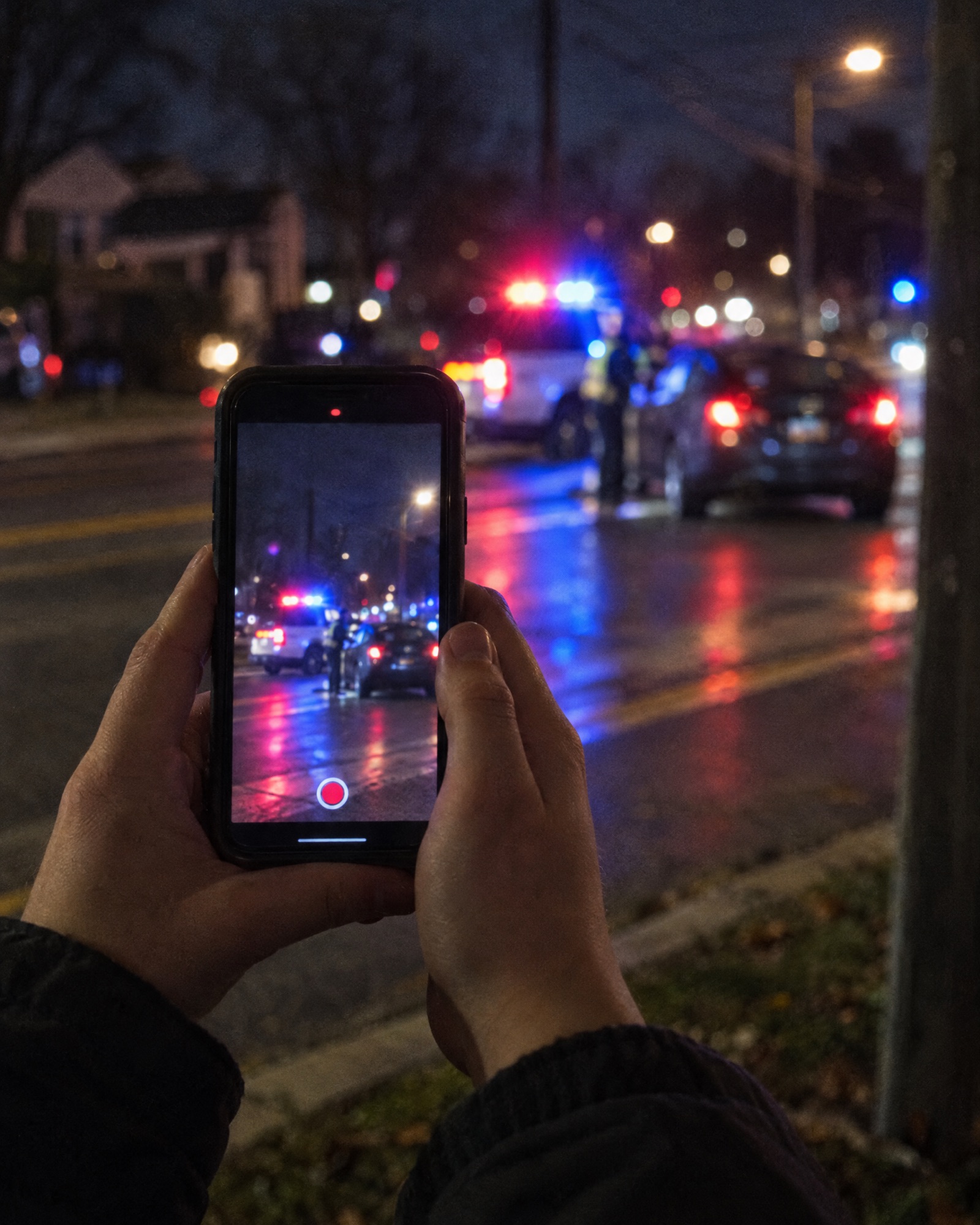
The government may not punish you for speech, protest, press activity, or recording police in public. If a New Jersey officer or official arrested, cited, or retaliated against you for protected expression, you may have a claim under § 1983 and the New Jersey Civil Rights Act. Preserve your recordings and posts now.
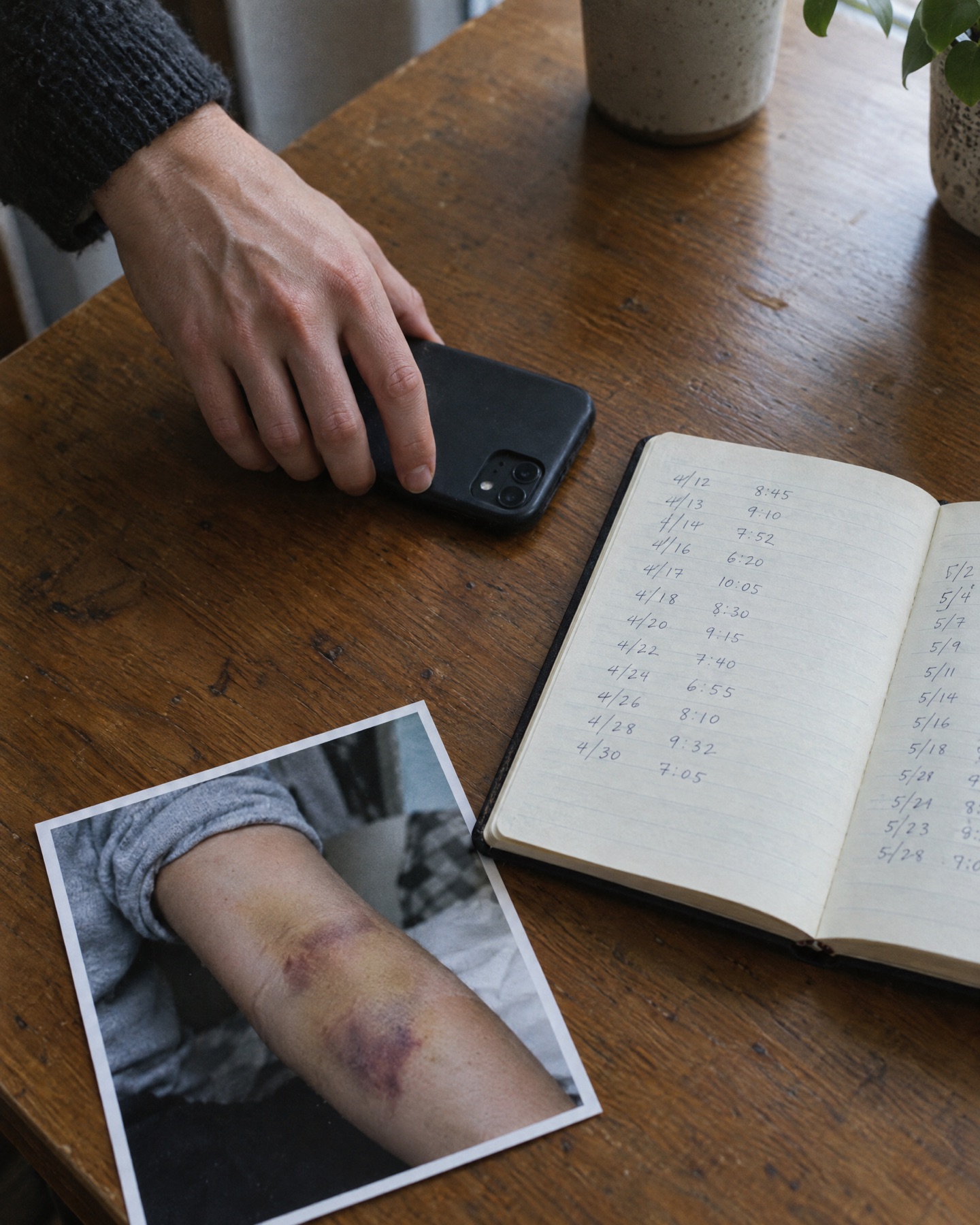 The next 72 hours
Back up every photo, video, and post to a location the police cannot reach.
Write down exactly what you said and did, and what officials said in response.
Keep any citation, summons, or letter you received.
List witnesses, including other people who were speaking or recording.
The First Amendment protects criticism of officials, peaceful protest, public comment at government meetings, journalism, and religious expression. In Fields v. City of Philadelphia, the Third Circuit, which covers New Jersey, held that the public has a First Amendment right to record police officers carrying out official duties in public. Retaliation can take many forms: an arrest or citation, a seized phone, a denied permit, a targeted code enforcement, or a threat meant to silence you. The speech does not have to be polite to be protected. It does have to fall outside narrow exceptions, such as true threats or physically obstructing officers.
You must show three things: you engaged in protected activity, the official took action that would deter a person of ordinary firmness from continuing, and your protected activity caused that action. Timing, statements made at the scene, and how others were treated can all prove the link. Retaliatory arrest claims have an added hurdle. Under Nieves v. Bartlett, probable cause generally defeats the claim, with an exception for objective evidence that others in similar situations were not arrested. In Gonzalez v. Trevino, the Supreme Court held that this evidence need not take the form of nearly identical comparisons.
A court can award damages for the harm caused, including lost liberty, lost property, and emotional distress. It can also order the government to stop an unconstitutional practice or policy. Punitive damages may be available against individual officials in some cases. Under 42 U.S.C. § 1988 and the New Jersey Civil Rights Act, a prevailing plaintiff may recover reasonable attorney's fees. In speech cases, an order that protects your right to keep speaking can matter as much as money. Nominal damages may also be available when a right was violated but the monetary loss is small, which still establishes that the conduct was unlawful. Notes on how the retaliation changed what you say or do help show its effect.
Most cases are filed in the District of New Jersey, though state court is also available. Claims under § 1983 and the New Jersey Civil Rights Act must be filed within two years. When an ongoing policy is chilling speech, the firm may ask the court for early relief, such as a preliminary injunction. If you face charges from the same incident, those charges and the retaliation claim must be handled together. Public employees who were disciplined for speech face a different set of rules, covered on the whistleblower pages.
Settlements for two protesters pepper-sprayed by a police commander while penned in.
New York City (New York) · 2015 · GothamistYes. The Third Circuit recognizes a First Amendment right to record police doing their jobs in public. You may not physically interfere with their work.
Not always. Probable cause usually defeats a retaliatory arrest claim, but there is an exception when similar people who were not speaking were left alone.
Towns may set neutral rules on time and topic. They may not silence a speaker because of the viewpoint expressed.
General information, not legal advice. The firm confirms how the law applies to you.
This is an automated tool, not a lawyer. It answers from the firm's own pages and can't give legal advice. Ask about your rights, your deadline, or how the firm works, in English or Español.