


- Home
- Whistleblower
- Government Fraud (False Claims Act)
Government Fraud (False Claims Act)
If you know of fraud against the federal government or New Jersey, such as false billing to Medicare or Medicaid or inflated contract claims, you may be able to file a qui tam case under the federal False Claims Act or the New Jersey False Claims Act. The case is filed under seal, and a whistleblower who brings a successful case may receive a share of the recovery. Speak with a lawyer before you tell anyone else.
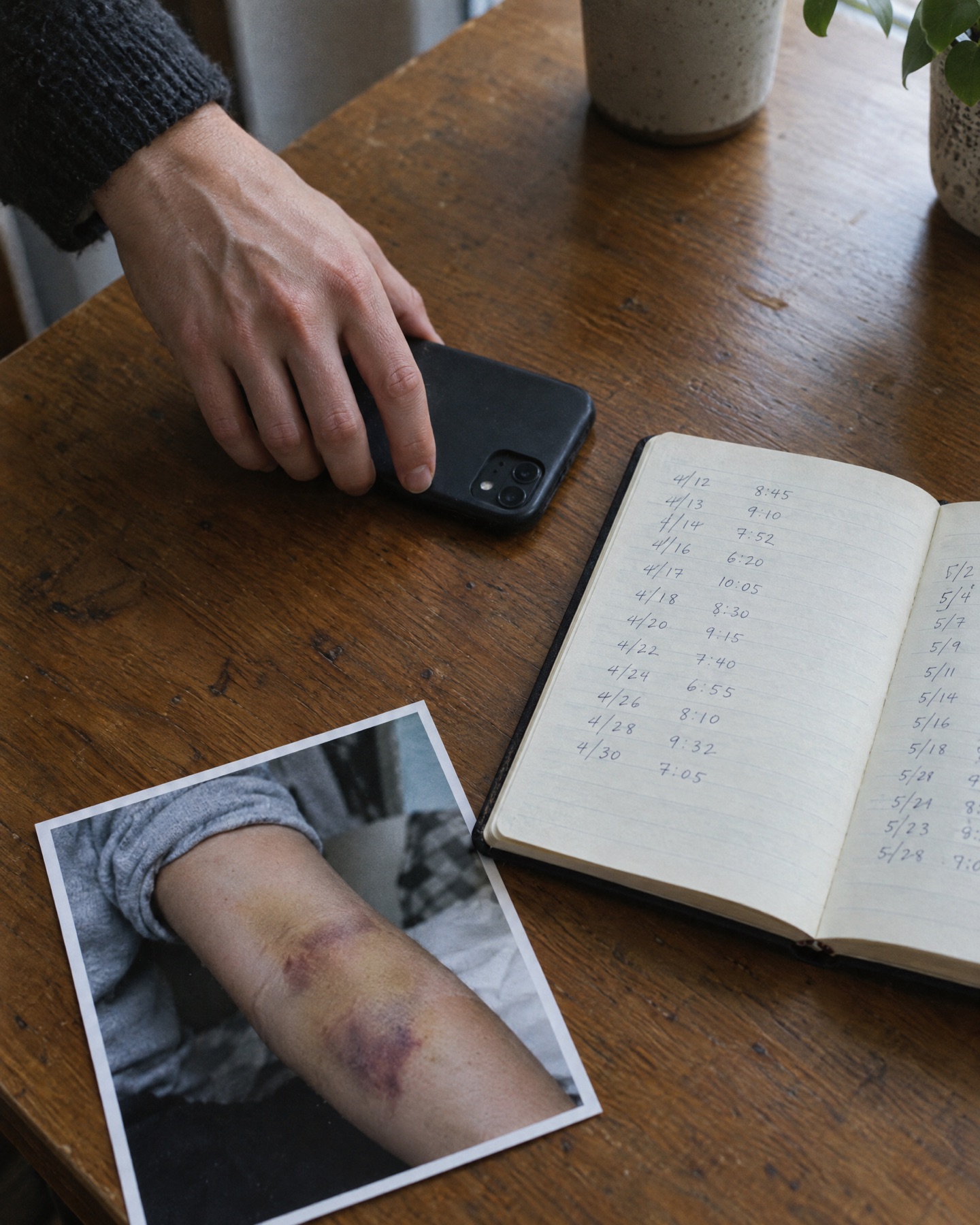 The next 72 hours
What to do now.
- 1
Do not discuss the fraud with coworkers, the company, or the press.
- 2
Write down what you know, how you know it, and when you learned it.
- 3
Identify documents that show the fraud. Ask a lawyer before copying anything.
- 4
Contact counsel promptly. Being first to file can matter.
What counts
The federal False Claims Act, 31 U.S.C. § 3729 et seq., reaches anyone who knowingly submits a false claim for payment to the United States, or knowingly makes a false record to get one paid. The New Jersey False Claims Act, N.J.S.A. 2A:32C-1 et seq., applies to claims paid with New Jersey funds. Common examples include billing for services never provided, upcoding, kickbacks tied to federal health programs, false certifications of compliance, and inflated invoices on government contracts. Private individuals, called relators, can file these cases on the government's behalf.
What you must prove
A qui tam case must show that the defendant submitted or caused a false claim, that it knew the claim was false, and that the falsity was material to the government's decision to pay. Knowledge includes deliberate ignorance and reckless disregard of the truth. Your case is stronger when you have direct knowledge of the scheme and documents that show it. Cases built only on information already public may be dismissed unless the relator qualifies as an original source, so what you know firsthand matters. Courts also expect the complaint to describe the fraud with specific detail: who, what, when, and how.
What relief is available
The government can recover damages and civil penalties from the wrongdoer. Under 31 U.S.C. § 3730(d), a relator receives between 15 and 25 percent of the proceeds when the government takes over the case, and between 25 and 30 percent when the relator pursues it alone, plus reasonable expenses, attorney's fees, and costs. The New Jersey Act provides a similar range. Shares can be reduced in some situations, such as when the case rests mainly on public information. The federal Act provides for up to three times the government's damages, plus civil penalties for each false claim. A relator's share is paid only if the case produces a recovery.
How the process works in New Jersey
The complaint is filed under seal and served on the government. The defendant is not served until the court orders it. It stays under seal for at least 60 days, often much longer, while the government investigates. The U.S. Attorney's Office for the District of New Jersey or the New Jersey Attorney General then decides whether to intervene. If the government declines, the relator may continue the case. Amendments effective in 2023 aligned New Jersey's Act more closely with federal law. Suits generally must be filed within six years of the violation, with limited extensions.
Questions
Will my employer find out I filed?
Not at first. The case is filed under seal, and the defendant is not served until the court orders it. Your identity usually becomes known if the case proceeds.
Do I need proof, or just suspicion?
You need specific facts about the fraud. Firsthand knowledge and documents make a case far stronger.
What if someone else already filed?
A later filing based on the same facts may be barred. That is one reason to act promptly.
Sources
- 31 U.S.C. § 3730, qui tam and retaliation
- 31 U.S.C. § 3731, limitations
- N.J.S.A. 2A:32C-5, New Jersey False Claims Act
- P.L. 2023, c. 73 (NJ False Claims Act amendments)
General information, not legal advice. The firm confirms how the law applies to you.
More in Whistleblower
Private-Sector Employees (CEPA)
Reporting or refusing illegal conduct at a private company.
Public Employees
Government workers who report misconduct or speak out.
SEC Whistleblower
Reporting securities fraud, with awards and protection from retaliation.
Retaliation for Reporting
Punished after reporting fraud, safety risks, or illegal conduct.
