


When the police cross the line.
Federal law and the New Jersey Civil Rights Act let you sue officials who violate your constitutional rights. Aymen Aboushi served as a trial attorney at the U.S. Department of Justice and clerked in the District of New Jersey. The firm brings that training to cases against officers, towns, counties, and the State.
Which kind of case is yours?
Excessive force, false arrest, malicious prosecution, and retaliation by government officials.
 01
Excessive Force
Force beyond what the situation reasonably required.
Tort Claims Act notice within 90 days for state-law claims against a town, county, or the State (N.J.S.A. 59:8-8); § 1983 and New Jersey Civil Rights Act claims within 2 years. 02
Wrongful Arrest
Arrested or held without probable cause.
Two years under § 1983 and the New Jersey Civil Rights Act, usually from the day you were first held on legal process; a Tort Claims Act notice within 90 days for state tort claims (N.J.S.A. 59:8-8). 03
Malicious Prosecution
Charged without probable cause, and the case ended in your favor.
Two years from the day the criminal case ends in your favor, and a Tort Claims Act notice within 90 days of that day for state-law claims against public entities (N.J.S.A. 59:8-8).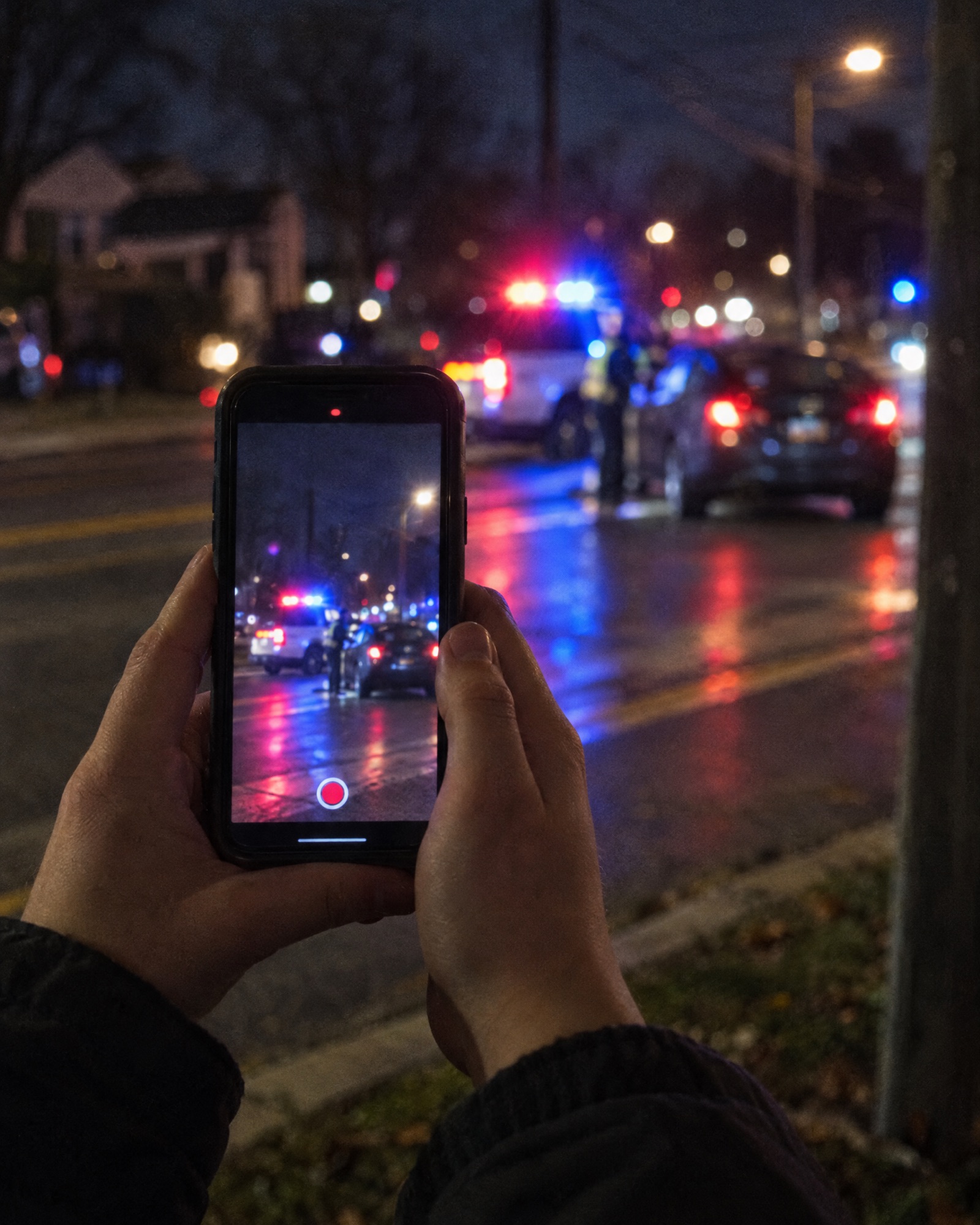 04
First Amendment Retaliation
Punished for speaking, protesting, or recording police.
Two years under § 1983 and the New Jersey Civil Rights Act; a Tort Claims Act notice within 90 days for any related state tort claims (N.J.S.A. 59:8-8). 05
Wrongful Conviction
Compensation and accountability after an innocent person is imprisoned.
Mistaken Imprisonment Act claims must be filed within two years of release from prison or a pardon (N.J.S.A. 52:4C-4); federal claims generally run two years from when the conviction is set aside and the case ends in your favor.Tell us what happened. We'll find the fit.
Five minutes, by voice or typing, in English or Spanish. The firm reads every review.
Find your date before anything else.
New Jersey clocks start on the day it happens. Give us the date and we'll show every deadline that applies to a civil rights case.
What people ask us first.
Plain answers to the questions we hear most. Tap one, or ask the firm your own.
Can I sue if I was charged with resisting arrest?Excessive Force
Often, yes. Force can be excessive even when the arrest was lawful. A conviction can limit some claims, so the firm reviews the criminal case before filing anything.
My charges were dismissed. Does that mean the arrest was illegal?Wrongful Arrest
Not necessarily. A false arrest claim turns on what the officer knew at the time. A dismissal can support a separate malicious prosecution claim.
Does a dismissal count, or do I need an acquittal?Malicious Prosecution
For the federal claim, a case that ended without a conviction is enough. New Jersey's state-law claim is reviewed case by case, so bring the final paperwork.
Is it legal to record police in New Jersey?First Amendment Retaliation
Yes. The Third Circuit recognizes a First Amendment right to record police doing their jobs in public. You may not physically interfere with their work.
My conviction was vacated. Am I automatically compensated?Wrongful Conviction
No. The Act requires proof of innocence by clear and convincing evidence, and a timely claim.
Know your rights.
The 90-day notice of claim in New Jersey
Before you can sue a New Jersey town, county, or state agency for most injuries, you must file a written notice within 90 days. Missing it can end a claim before it starts.
Read the guideWhat to do after police use force on you
The days after a use of force decide what evidence survives. These steps protect your health, your criminal case, and any civil claim.
Read the guideYour rights when recording police in New Jersey
You have a First Amendment right to record police doing their jobs in public in New Jersey. Here is what that right covers and where its limits are.
Read the guideExcessive force: what the law allows police to do
Police may use only the force that is objectively reasonable in light of everything that happened. Force beyond that is a constitutional violation you can sue over, with attorney's fees.
Read the guideInjured in a police chase: who can sue
New Jersey sharply limits when police may chase, but the law also protects officers from most suits. These cases turn on whether officers knowingly broke the pursuit rules.
Read the guideWrongful arrest and false imprisonment
An arrest without probable cause can support a civil rights claim in New Jersey. Learn what counts, what to save, and why your deadline may start sooner than you think.
Read the guideMalicious prosecution after charges are dropped
If you were charged without probable cause and the case ended without a conviction, you may have a malicious prosecution claim. Your deadline runs from the day the case ended.
Read the guideIllegal searches of your home, car or phone
Police usually need a warrant to search your home or phone, and New Jersey limits car searches more than federal law does. Learn the rules and what to do after a search.
Read the guideInjury, death or medical neglect in a county jail
If you or a family member was hurt, denied medical care, or died in a New Jersey county jail, strict grievance rules and short deadlines apply. Here is what to do first.
Read the guideProtest permits and arrests at protests
You have a right to protest in public in New Jersey, within reasonable rules. Learn when a permit applies, what police may do, and what to do after an arrest.
Read the guideSpecial education disputes (IDEA)
If your child's school is not meeting special education needs, the IDEA and New Jersey rules give you the right to an evaluation, an IEP, mediation and a due process hearing.
Read the guideHarassment and discrimination at school (Title IX, LAD)
If your child is harassed or treated unfairly at school because of sex, race, disability or another protected trait, federal law and New Jersey's LAD can hold the district responsible.
Read the guide