

Jersey City police punch
Settlement for a man punched by a Jersey City police officer while walking his dog. Aymen was co-counsel.
Jersey City, New Jersey · 2022 · PatchThe Aboushi Law Firm · A private law firm, not affiliated with any government agency.
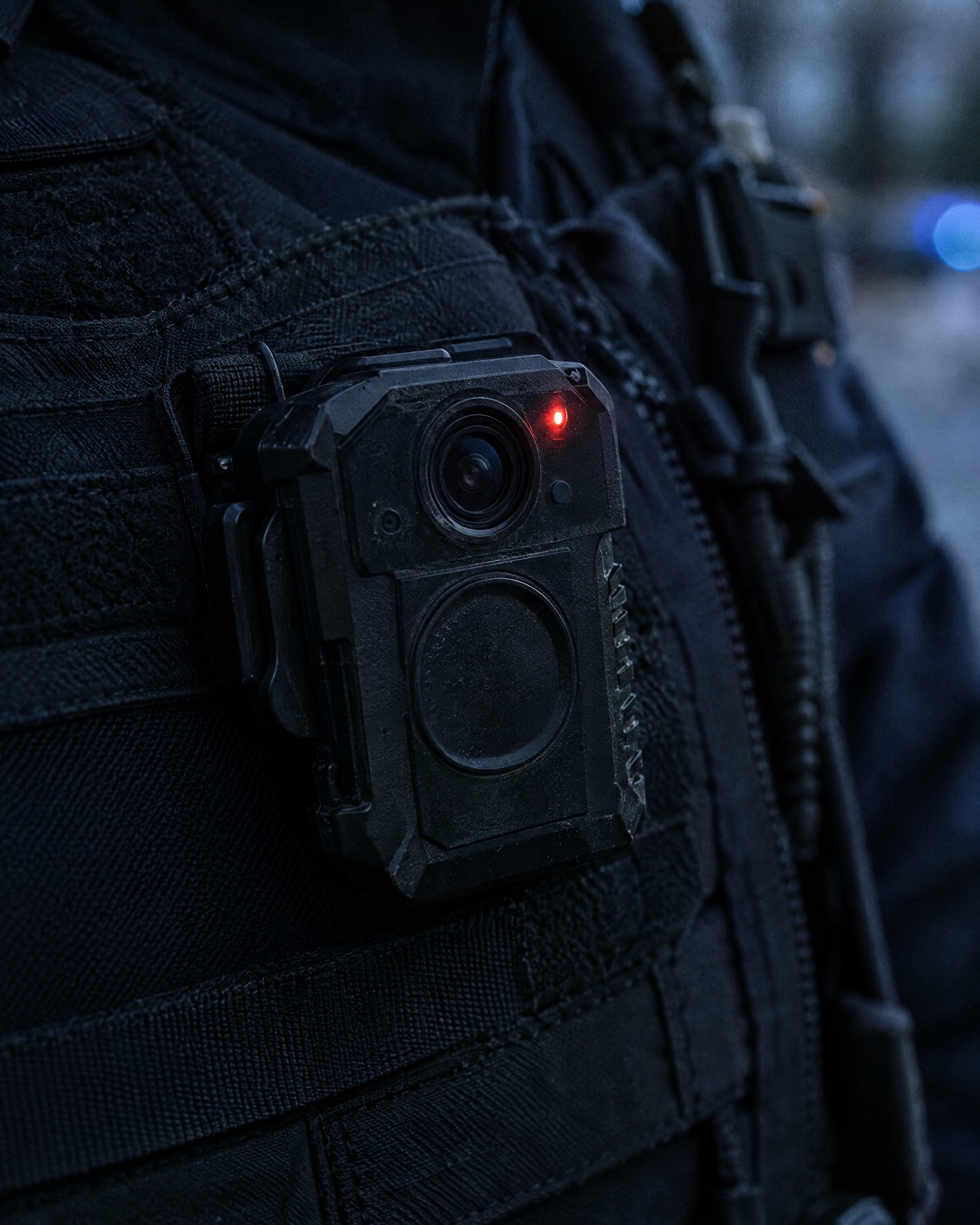
Police may use only the force that is objectively reasonable in light of everything that happened. Force beyond that is a constitutional violation you can sue over, with attorney's fees.
Courts judge force by asking whether it was objectively reasonable from the view of a reasonable officer on the scene. Under Graham v. Connor, they weigh how serious the suspected crime was, whether the person posed an immediate threat to officers or others, and whether the person was actively resisting or trying to flee. In 2025, in Barnes v. Felix, the Supreme Court rejected the rule that courts may look only at the final moment of danger. Courts now weigh the whole encounter, including what the officers did that led up to the use of force.
The New Jersey Attorney General's Use of Force Policy, in effect statewide since 2022, is stricter than the constitutional floor. Officers may use force only as a last resort, must try to de-escalate when it is safe to do so, and have a duty to intervene when another officer uses excessive force. Every use of force must be reported. A policy violation is not automatically a constitutional violation, but it is often strong evidence that the force was unreasonable, and the use-of-force report is one of the first records to request.
Tell us what happened in about five minutes, by voice or typing. The firm reads every review and tells you which clocks apply.
Excessive force cases often involve force on someone already handcuffed, taser use, police dogs, chokeholds and neck restraints, shootings, and force used against people at protests. Force in a county jail is judged differently depending on your status. For a person held before trial, the question under Kingsley v. Hendrickson is whether the force was objectively unreasonable; a person serving a sentence must meet the Eighth Amendment's stricter standard. Video, medical records and witness accounts made close to the event usually decide these cases.
Claims can be brought against the officers under 42 U.S.C. § 1983 and the New Jersey Civil Rights Act. A town or county can be liable when the force came from its policy, custom, or failure to train or supervise, under the rule of Monell v. Department of Social Services. Officers often raise qualified immunity, a defense that applies when the law was not clearly established at the time; it does not protect towns. A successful plaintiff can recover compensatory damages, punitive damages against individual officers, and attorney's fees under 42 U.S.C. § 1988 and N.J.S.A. 10:6-2(f).
Constitutional claims under § 1983 and the New Jersey Civil Rights Act must be filed within two years. State-law claims for assault and battery against a town, county or the State also require a written Tort Claims Act notice within 90 days. If you were charged with a crime in the same incident, the outcome of that case can affect which claims are available, so the timing should be planned with a lawyer from the start. See the guides to the 90-day notice and to what to do after police use force.
Settlement for a man punched by a Jersey City police officer while walking his dog. Aymen was co-counsel.
Jersey City, New Jersey · 2022 · PatchJury verdict for a severely autistic teenager beaten by police officers during the Hurricane Sandy evacuation, plus $20,000 in punitive damages. The Appellate Division unanimously affirmed the judgment in 2019.
Manhattan, New York · 2016 · New York Daily NewsThis is an automated tool, not a lawyer. It answers from the firm's own pages and can't give legal advice. Ask about your rights, your deadline, or how the firm works, in English or Español.
