

FDNY Muslim firefighter harassment
Settlement for a firefighter harassed at his firehouse for his faith.
New York City (New York) · 2019 · Fire Law BlogThe Aboushi Law Firm · A private law firm, not affiliated with any government agency.

Harassment based on sex, race, religion, or another protected trait is unlawful under the New Jersey Law Against Discrimination when it is severe or pervasive enough to change your working conditions. Your employer must take reasonable steps to stop it. Report it in writing, keep copies, and note the two-year deadline to sue.
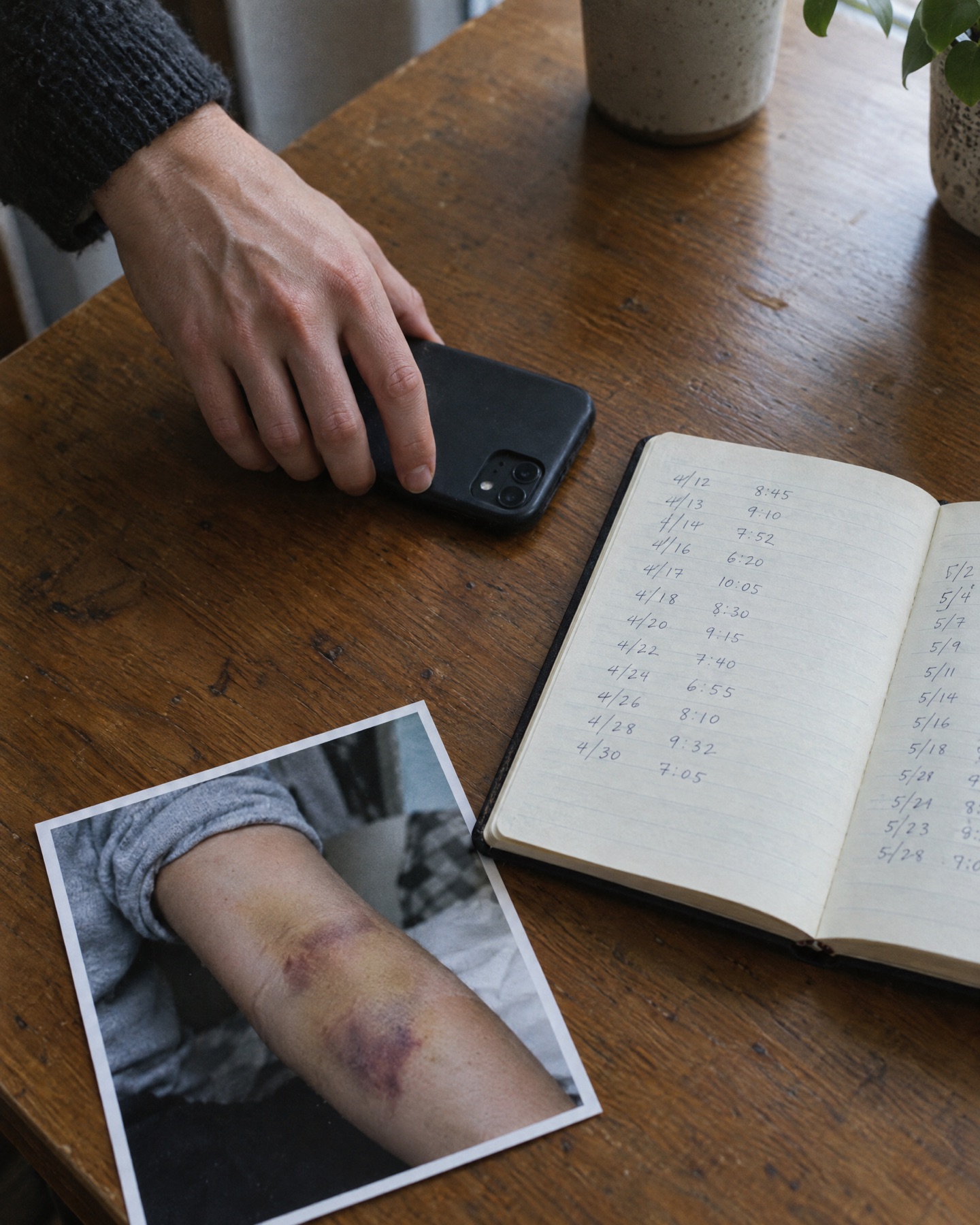 The next 72 hours
Report the harassment in writing using your employer's policy, and keep a copy.
Record each incident: date, words used, witnesses, and your response.
Save messages, images, and posts before they can be deleted.
Tell a doctor or counselor if the harassment is affecting your health.
Harassment includes slurs, insults, unwanted touching, sexual advances, threats, and images or jokes aimed at a protected trait. Quid pro quo harassment occurs when a job benefit is conditioned on sexual favors. A hostile work environment exists when the conduct is severe or pervasive enough that a reasonable person in your position would find the workplace hostile or abusive. It does not need to happen every day. In Rios v. Meda Pharmaceutical, the New Jersey Supreme Court held that two ethnic slurs from a direct supervisor could be enough to reach a jury. Harassment by coworkers, supervisors, and even customers can count.
You must show that the conduct happened because of a protected trait and that it was severe or pervasive enough to change your working conditions. Courts look at the whole picture, including the frequency, the severity, whether it was physically threatening or humiliating, and who did it. Harassment by a supervisor weighs more heavily. The employer's liability depends on its role: whether it knew or should have known, whether it had an effective policy, and whether it acted promptly to stop the conduct. A written complaint creates a clear record of notice.
A prevailing plaintiff under the LAD may recover damages for emotional distress, lost wages if the harassment led to a job loss, and in some cases punitive damages. Reasonable attorney's fees are available to a prevailing employee. If the conditions became so intolerable that you had to resign, a constructive discharge claim may be possible, though courts set a high bar for it. Individual supervisors who aided the harassment may also face liability in some circumstances. Each case turns on its facts and proof. Medical and counseling records often support the emotional distress portion of a claim.
Most harassment cases begin with an internal complaint, which gives the employer a chance to act and creates evidence. You may then file with the Division on Civil Rights within 180 days, file an EEOC charge within 300 days, or sue in Superior Court within two years. In a court case, the parties exchange documents, take depositions, and often mediate before trial. Nondisclosure terms that would hide details of a discrimination, retaliation, or harassment claim are restricted under New Jersey law, so settlement terms deserve a close review. In Savage v. Township of Neptune, the New Jersey Supreme Court held in 2024 that non-disparagement terms with that effect are also unenforceable.
Settlement for a firefighter harassed at his firehouse for his faith.
New York City (New York) · 2019 · Fire Law BlogSometimes. A single incident can be severe enough, especially from a supervisor. Most cases involve a pattern, so record everything.
Reporting is not a precondition to suing under the LAD, but it often matters to the employer's liability. Report in writing when it is safe to do so.
It can be, if it knew or should have known and failed to take reasonable steps to stop it.
General information, not legal advice. The firm confirms how the law applies to you.
This is an automated tool, not a lawyer. It answers from the firm's own pages and can't give legal advice. Ask about your rights, your deadline, or how the firm works, in English or Español.