

Occupy Wall Street pepper spray
Settlements for two protesters pepper-sprayed by a police commander while penned in.
New York City (New York) · 2015 · GothamistThe Aboushi Law Firm · A private law firm, not affiliated with any government agency.
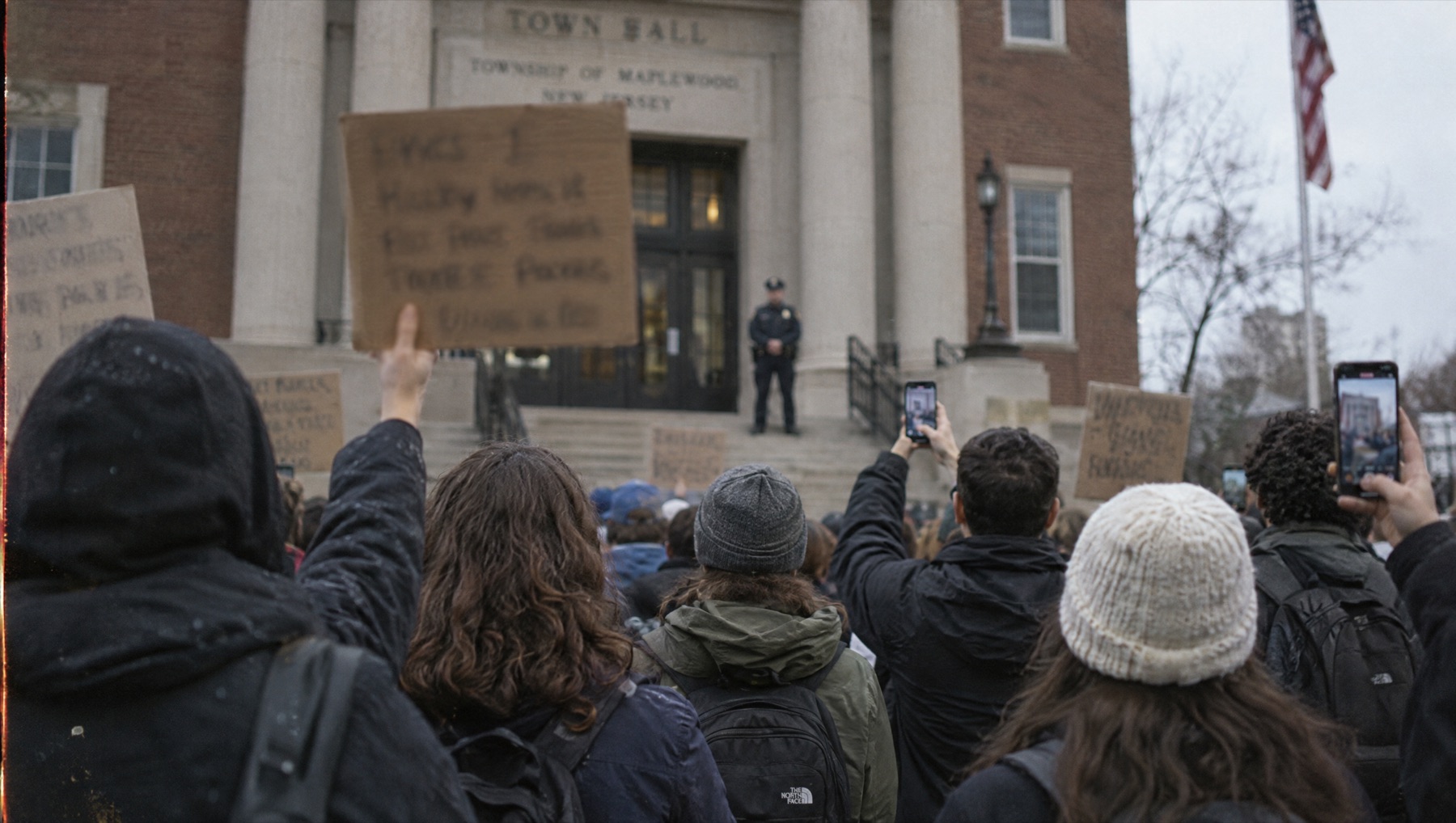
You have a right to protest in public in New Jersey, within reasonable rules. Learn when a permit applies, what police may do, and what to do after an arrest.
The government can set rules on the time, place, and manner of a protest. Under Ward v. Rock Against Racism, those rules must not depend on your message. They must be narrowly tailored to a significant government interest, and they must leave open other ways to get your message out. A rule can be valid even if a less restrictive option exists. Permit rules depend on where you plan to gather, so ask the municipal clerk or the office that manages the park or building what applies. Get any permit and its conditions in writing, and bring a copy to the event.
Police may enforce lawful time, place, and manner rules, trespass laws, and orders to disperse. They may not act because they disagree with your message. Guidance issued by the New Jersey Attorney General in 2021 tells officers to stay content neutral and to use restraint with technical violations, such as blocking a sidewalk, unless action is needed for safety or to protect property. The same guidance says the public and the press have a First Amendment right to record police doing their jobs in public. The Third Circuit, which covers New Jersey, recognized that right in Fields v. City of Philadelphia. The guidance itself does not create rights you can sue over.
Tell us what happened in about five minutes, by voice or typing. The firm reads every review and tells you which clocks apply.
Stay calm and do not physically resist, even if you believe the arrest is wrong. Say clearly that you want to remain silent and want a lawyer, then stop talking about the protest. Do not discuss the events with other people in custody or post about them online. Keep every paper you receive, including the complaint or summons, release papers, and property receipts. Write down the arresting officer's name and badge number if you can. Your criminal case and any civil rights claim are connected, so speak with a lawyer about both before you plead guilty to anything.
An arrest without probable cause can support a false arrest claim under 42 U.S.C. § 1983 and the New Jersey Civil Rights Act. An arrest meant to punish your speech is harder to challenge if officers had probable cause. In Nieves v. Bartlett, the Supreme Court held that probable cause generally defeats a retaliatory arrest claim. There is an exception when you show objective evidence that people who did the same thing, without the same speech, were not arrested. In Gonzalez v. Trevino, the Court said you do not need nearly identical comparisons. Evidence that people are almost never arrested for that conduct can be enough.
Write down everything while it is fresh: the time, the place, what officers said, any dispersal order you heard, the officers' names and badge numbers, and the names of witnesses. Save any video you or others recorded, and back it up to a second location. Keep your permit, your emails with the town, and any flyers or posts that show the event's plans. Photograph injuries and get medical care. A federal civil rights lawsuit in New Jersey usually must be filed within 2 years. State-law claims against a town, a county, or the State require a Tort Claims Act notice within 90 days.
Settlements for two protesters pepper-sprayed by a police commander while penned in.
New York City (New York) · 2015 · GothamistGeneral information, not legal advice.
This is an automated tool, not a lawyer. It answers from the firm's own pages and can't give legal advice. Ask about your rights, your deadline, or how the firm works, in English or Español.
