

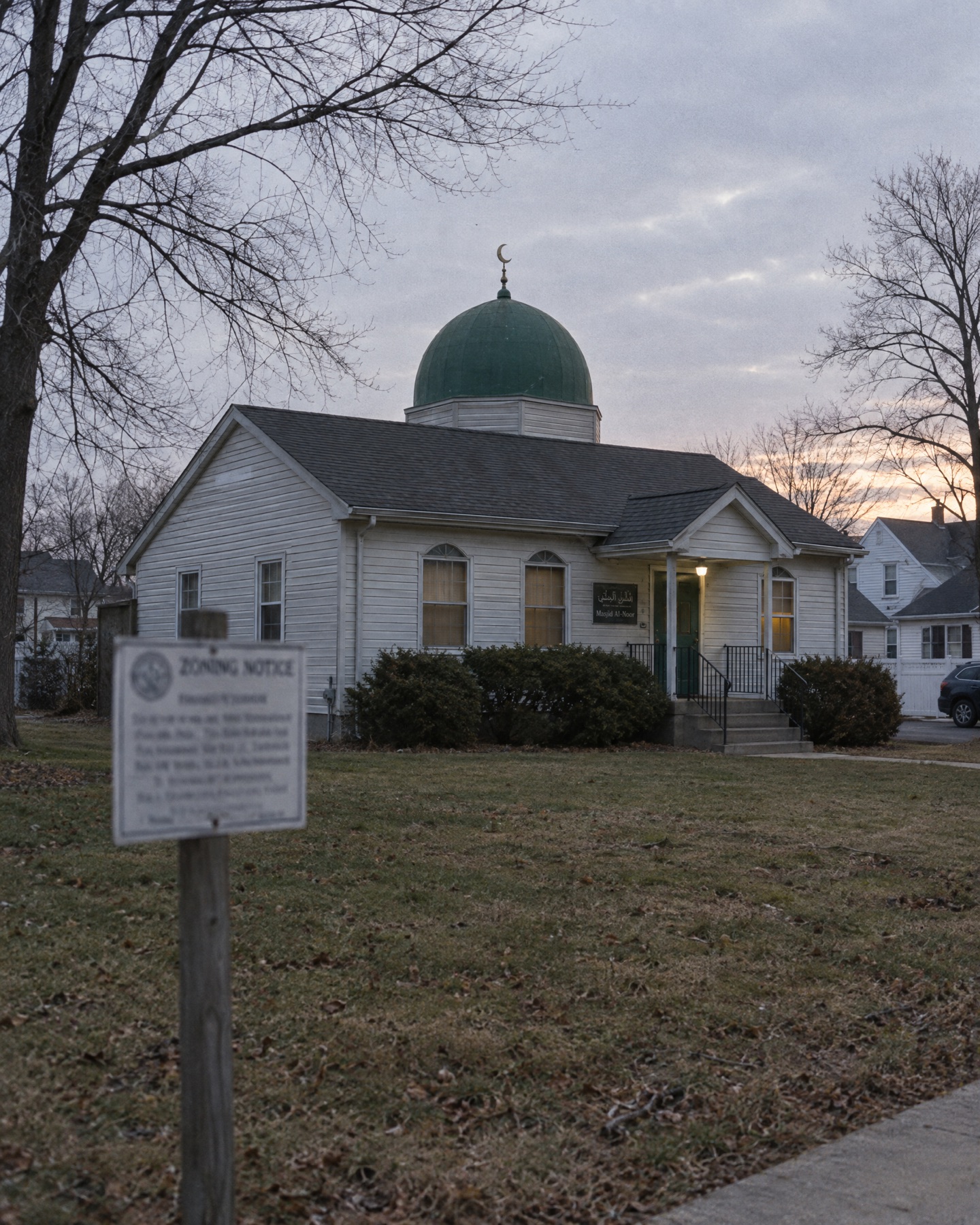
Garden State Islamic Center v. City of Vineland
Settlement for a South Jersey mosque denied use of its own building. The city also issued the certificate of occupancy.
U.S. District Court, District of New Jersey · 2020 · Philadelphia InquirerThe Aboushi Law Firm · A private law firm, not affiliated with any government agency.
Federal law limits how a New Jersey town may use zoning against a congregation. The record you build at the local board, and a 45-day deadline, often decide the outcome.
The Religious Land Use and Institutionalized Persons Act, 42 U.S.C. § 2000cc, applies when a government uses zoning or landmarking laws against religious exercise. A town may not impose a substantial burden on religious exercise unless it proves a compelling interest pursued by the least restrictive means. It may not treat a religious assembly on less than equal terms with a nonreligious assembly, discriminate based on religion or denomination, or totally exclude or unreasonably limit religious assemblies. The statute treats the use, building, or conversion of property for religious exercise as religious exercise itself. It applies to congregations of every faith.
In New Jersey, applications for a house of worship go to a municipal planning board or zoning board of adjustment. The hearings produce a written record and a resolution, and a court reviewing the decision will rely heavily on that record. Present evidence of the congregation's needs, why the site works, and how any concerns about traffic, parking, or noise can be addressed. Note statements by officials and objectors, and document how the town has treated secular assembly uses such as clubs, theaters, and halls. A lawyer at the hearing stage can make a later challenge far stronger. Ask for copies of the transcripts.
Tell us what happened in about five minutes, by voice or typing. The firm reads every review and tells you which clocks apply.
A state court challenge to a board decision is called an action in lieu of prerogative writs. Under New Jersey Court Rule 4:69-6, it generally must be filed within 45 days of publication of notice of the decision. Courts can extend the time only in limited circumstances where the interest of justice requires it. A RLUIPA claim may be filed in federal or state court, and it is generally subject to a four-year limitations period under 28 U.S.C. § 1658. The 45-day state deadline is the one that most often decides a congregation's options. Count the days from publication, and do not wait for the board's next meeting.
The Civil Rights Division of the U.S. Department of Justice enforces RLUIPA and accepts reports of violations. It has resolved matters with New Jersey municipalities, including a 2017 settlement with Bernards Township over the denial of a mosque and a settlement with Toms River over zoning rules that restricted houses of worship. The Department can seek court orders but does not obtain money for the congregation. Private lawsuits by congregations are separate, and they can proceed whether or not the Department acts. Reports can be made by phone, email, or mail, and providing contact information allows the Department to follow up.
The firm represented Garden State Islamic Center in its federal RLUIPA suit against the City of Vineland, which had kept the congregation from using its own building. The case settled in 2020 for $550,000, and the city issued the certificate of occupancy. Prior results do not guarantee a similar outcome.
In a successful RLUIPA case, a court can order a town to approve an application, stop enforcing an unlawful ordinance, or change its zoning code. Under 42 U.S.C. § 1988, a court may award reasonable attorney's fees to a prevailing party in a RLUIPA case. Whether money damages are available depends on the defendant and the claim. Many cases resolve through settlements that change local rules for every faith in the town. In the Bernards Township matter, the town's separate settlement with the Islamic Society of Basking Ridge also included a payment of damages and attorney's fees. The strength of the record built at the local level shapes each of these outcomes.
Settlement for a South Jersey mosque denied use of its own building. The city also issued the certificate of occupancy.
U.S. District Court, District of New Jersey · 2020 · Philadelphia InquirerThis is an automated tool, not a lawyer. It answers from the firm's own pages and can't give legal advice. Ask about your rights, your deadline, or how the firm works, in English or Español.
